Understanding Golf Clubs
When it comes to the game of golf, selecting the right equipment can significantly impact your performance on the course. As a beginner, navigating the variety of golf clubs available can be overwhelming. Golf clubs are typically divided into four main categories: woods, irons, wedges, and putters. Each category serves a unique purpose and plays a crucial role in your game.
Types of Golf Clubs
Woods
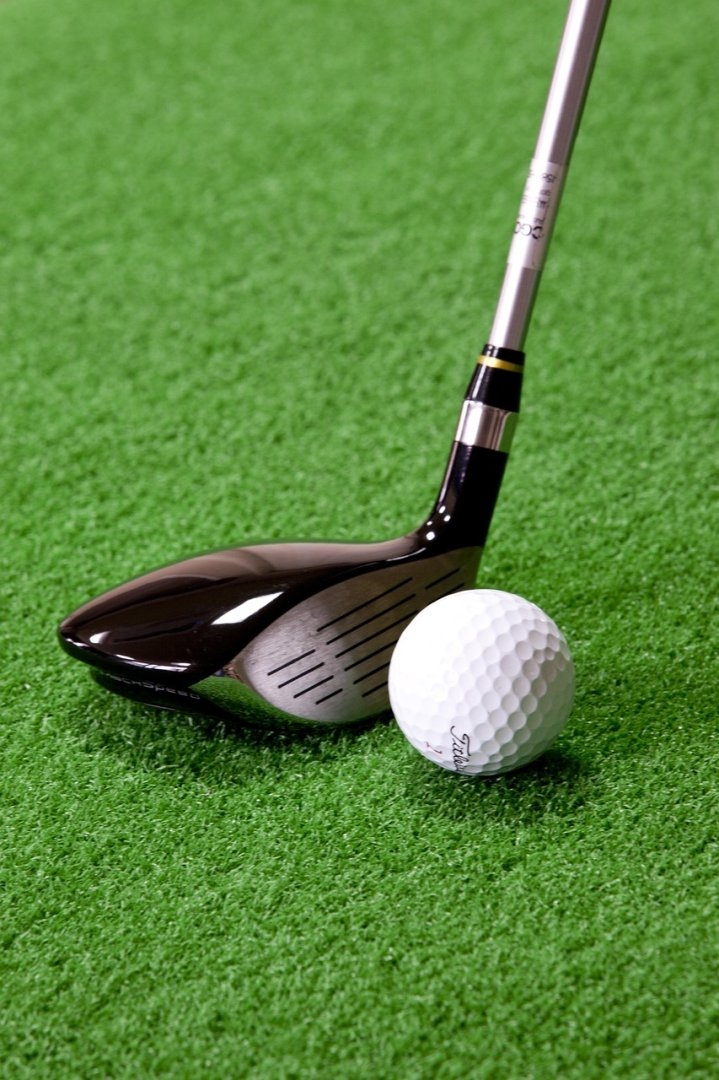
Woods are generally used for long-distance shots. The clubheads are larger and often made of wood or composite materials, making them effective for driving the ball off the tee.
-
Driver: The driver is the longest club in most sets, with a loft usually between 8 to 12 degrees. It's designed to hit the ball as far as possible, typically from the tee box.
-
Fairway Woods: Fairway woods are versatile clubs ideal for long-distance shots from the fairway. They have a shallower angle and are often numbered (3-wood, 5-wood) to signal their loft—typically ranging from 15 to 23 degrees.
Irons
Irons are typically numbered from 3 to 9, with lower numbers representing lower loft and longer distance. They provide precision and control for your shots.
-
Long Irons (2-4): These are hard to hit for beginners but great for advanced players looking for versatility in long-distance shots.
-
Mid Irons (5-7): Perfect for beginners, mid irons offer a balanced blend of distance and accuracy for a variety of lies.
-
Short Irons (8-9): Short irons provide greater accuracy and are essential for approach shots to the green.
Wedges
Wedges are specialized irons with higher lofts. They are essential for short, precise shots around the green and come in various types:
-
Pitching Wedge (PW): Ideal for approach shots from about 100-120 yards, the pitching wedge typically has a loft between 44 to 48 degrees.
-
Sand Wedge (SW): Specifically designed to get out of sand traps, the sand wedge has a loft ranging from 54 to 58 degrees.
-
Lob Wedge (LW): Offering a loft of 58 to 64 degrees, lob wedges are great for high, short shots.
Putters
Putters are specialized clubs designed for use on the green. They have little to no loft and come in several shapes and sizes, focusing on precision rather than power.
-
Blade Putters: These are traditional and provide accuracy, often favored by players who prefer a simple design.
-
Mallet Putters: Mallet putters are bulkier and feature a larger sweet spot, making them easier to use for beginners.
Selecting Your First Set of Clubs
As a beginner, investing in a complete set of clubs is a practical approach. Here are essential considerations to keep in mind when selecting your first set:
⛳ Bogey Golf AI For The Win!
Personalized golf trip itineraries in seconds.
Golf Trip Planner
Your Next Golf Getaway
Curated by Bogey Golf AI
Club Material
-
Graphite vs. Steel Shafts: Graphite shafts are lighter and can help with swing speed, making them ideal for beginners who may struggle with heavier clubs. Steel shafts, on the other hand, offer more control but might be better suited for more experienced players.
-
Clubhead Material: Most clubheads today are composed of stainless steel or titanium. Titanium clubs tend to be lighter and provide better distance, while stainless steel offers durability.
Club Fitting
Proper club fitting plays a vital role in enhancing your performance. A well-fitted club ensures better contact with the ball and improved accuracy. Here are key factors to consider:
-
Length: Standard club lengths vary but fitting your clubs to your height, arm length, and swing style is crucial for optimal performance.
-
Lie Angle: The lie angle affects the club's performance. If the angle is too upright or too flat, it can negatively impact your shot.
-
Grip Size: A grip that fits your hand size will improve control. Beginners usually benefit from larger grips, while experienced players may prefer smaller ones for precision.
The Importance of Skill Development
Developing a solid foundation in your golf game is vital. Here are some tips to enhance your skills while you choose the right clubs:
-
Practice Regularly: Set aside time to practice at the driving range and on the course. The more you play, the more familiar you will become with your clubs.
-
Take Lessons: Consider investing in lessons from a certified instructor. They can provide insight into the correct usage of your irons, woods, and putters.
-
Learn the Basics: Familiarize yourself with the fundamentals of your swing, stance, and grip. A solid understanding of these concepts will help you make informed decisions about which clubs meet your needs best.
Key Brands and Options for Beginners
When selecting your first set, consider reputable brands that cater to beginner golfers. Some well-known brands include:
-
Callaway: Known for its innovative technology and user-friendly clubs, Callaway offers complete sets designed for beginners.
-
TaylorMade: Specializing in performance-oriented clubs, TaylorMade provides various options that boost distance and accuracy.
-
Cobra: Cobra focuses on lightweight clubs with a forgiving design, ideal for new players wanting to improve their game without frustration.
-
PING: Offering precise fittings and high-quality clubs, PING is a popular choice among players looking to get serious about golf.
In Summary
Choosing the right golf club for your game as a beginner requires consideration of club types, material, fitting, and the importance of skill development. By understanding the various types of golf clubs, investing time in practice, and considering lessons, you can enhance your game significantly. Remember that personalized fittings and selecting the correct brands will ultimately support your journey toward becoming a proficient golfer. With the right clubs in hand, you'll be ready to hit the course with confidence.


