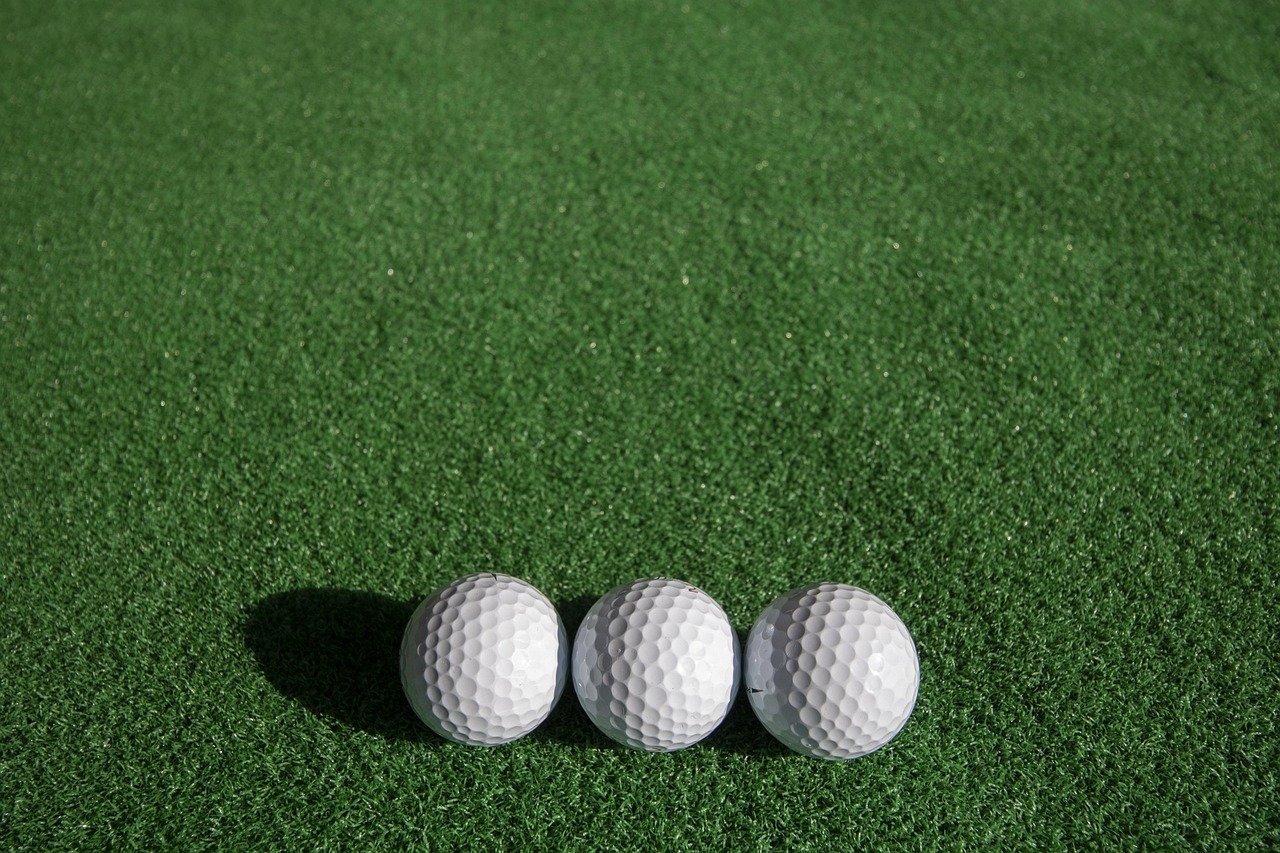
Understanding Low Compression Golf Balls
Low compression golf balls are designed to cater to golfers with slower swing speeds, typically under 85 miles per hour. These balls are engineered to compress more easily upon impact, allowing players to achieve greater distance and improved feel. When choosing the right low compression golf ball, several factors come into play, including the construction, dimple design, cover material, and personal playing style.
Key Factors in Selecting a Low Compression Golf Ball
1. Compression Rating
The compression rating of a golf ball indicates how much the ball will compress upon impact with the clubface. Low compression balls usually have a rating of 60 to 80. Lower-rated balls are more forgiving for players with slower swings, offering a softer feel and maximizing distance. It's essential to pair your swing speed with the compression rating to get the optimal performance.
2. Construction Type
Low compression golf balls generally fall into two construction types:
-
Two-Piece Balls: These are made with a solid rubber core and a durable outer layer. They are known for their distance and durability. If you’re prioritizing distance over spin and feel, a two-piece ball will suit your game.
-
Three-Piece Balls: Containing a core, a mantle, and a cover, these balls are engineered for more control and spin while still offering low compression. If you prefer more greenside control and feel, a three-piece ball may be the better option.
3. Dimple Design
The design of the dimples on the golf ball affects its aerodynamics, which in turn impacts flight distance and stability. Most low compression balls feature deeper and more numerous dimples to reduce drag for higher lift and distance. When choosing a ball, consider how the dimple pattern works with your swing to optimize launch conditions and carry distance.
4. Cover Material
The most common cover materials include:
-
Surlyn: Commonly used in two-piece balls, Surlyn offers excellent durability and is resistant to scuffs. If you play in conditions where the course is tough on balls, a Surlyn-covered ball may be best for you.
-
Urethane: Often found on three-piece balls, urethane provides a softer feel and better spin control around the greens. If precision in your short game is essential, consider a urethane-covered ball.
5. Spin Rate
Understanding how ball spin affects your game can guide your choice in low compression balls. Slower swing players often benefit from reduced spin off the tee and increased spin around the greens. Look for golf balls that specify low spin rates for drives and higher spin for short game control to enhance overall play.
⛳ Bogey Golf AI For The Win!
Personalized golf trip itineraries in seconds.
Golf Trip Planner
Your Next Golf Getaway
Curated by Bogey Golf AI
6. Personal Preference
Test various brands and models to find the ball that feels best for your game. The ball's responsiveness in terms of feel during contact, as well as how it reacts on approach shots and putts, should greatly influence your choice.
Popular Low Compression Golf Balls
1. Callaway Supersoft
Callaway’s Supersoft is well-regarded because of its ultra-low compression rating (38), making it ideal for golfers with slower swings. It features a dual-core design that enhances distance while providing a soft feel. The Hex Aerodynamics of the dimple pattern improves lift and reduces drag, rendering it a leader in the low compression category.
2. Srixon Soft Feel
With a compression rating of about 70, the Srixon Soft Feel offers a great balance between distance and greenside playability. The ball features a 338-dimple design for its aerodynamics and a soft urethane cover that enhances spin without sacrificing distance. Players seeking a softer feel without losing too much in speed will appreciate this option.
3. Taylormade Kalea
The TaylorMade Kalea is engineered for women golfers but is suitable for anyone with a slower swing speed. It features a low compression core and an advanced dimple design for optimal lift and distance. The ball provides a soft feel which is beneficial for short game performance, making it an excellent choice for those focusing on feel and approach play.
4. Bridgestone e6
The Bridgestone e6 boasts a compression rating of 47. Its seamless cover is designed specifically for low drag and maximum lift for enhanced distance. The ball offers excellent feel while providing lower spin rates off the driver, making it a solid option for golfers looking for distance coupled with approach shot control.
Performance Testing
Once you narrow down your options, it’s crucial to test the golf balls you’re considering. Bring a few different models to the driving range and experiment with different clubs. Pay attention to how the balls react with your driver, irons, and wedges. Notice the trade-offs between distance and feel as you hit to get a better sense of which ball enhances your game.
⛳ Bogey Golf AI For The Win!
Personalized golf trip itineraries in seconds.
Golf Trip Planner
Your Next Golf Getaway
Curated by Bogey Golf AI
Custom Fitting
Many professional golf shops or club fitters offer services to help you choose the right ball based on your playing style and swing metrics. Utilizing trackman or similar technologies, these fittings can provide insights into spin rate, launch angle, and overall performance to match a low compression ball that fits your unique needs.
Conclusion: Finding the Right Ball for Your Game
Choosing the right low compression golf ball is less about the lowest price point and more about understanding how your personal swing characteristics align with the ball’s construction features. By considering factors such as compression rating, construction type, dimple design, cover material, and personal feel, you can play a more effective game of golf.

Engage in performance testing and possibly consult with experts to help select the ideal ball that complements your swing. Make informed decisions to improve your game, maximize distance, and enhance feel around the greens.

