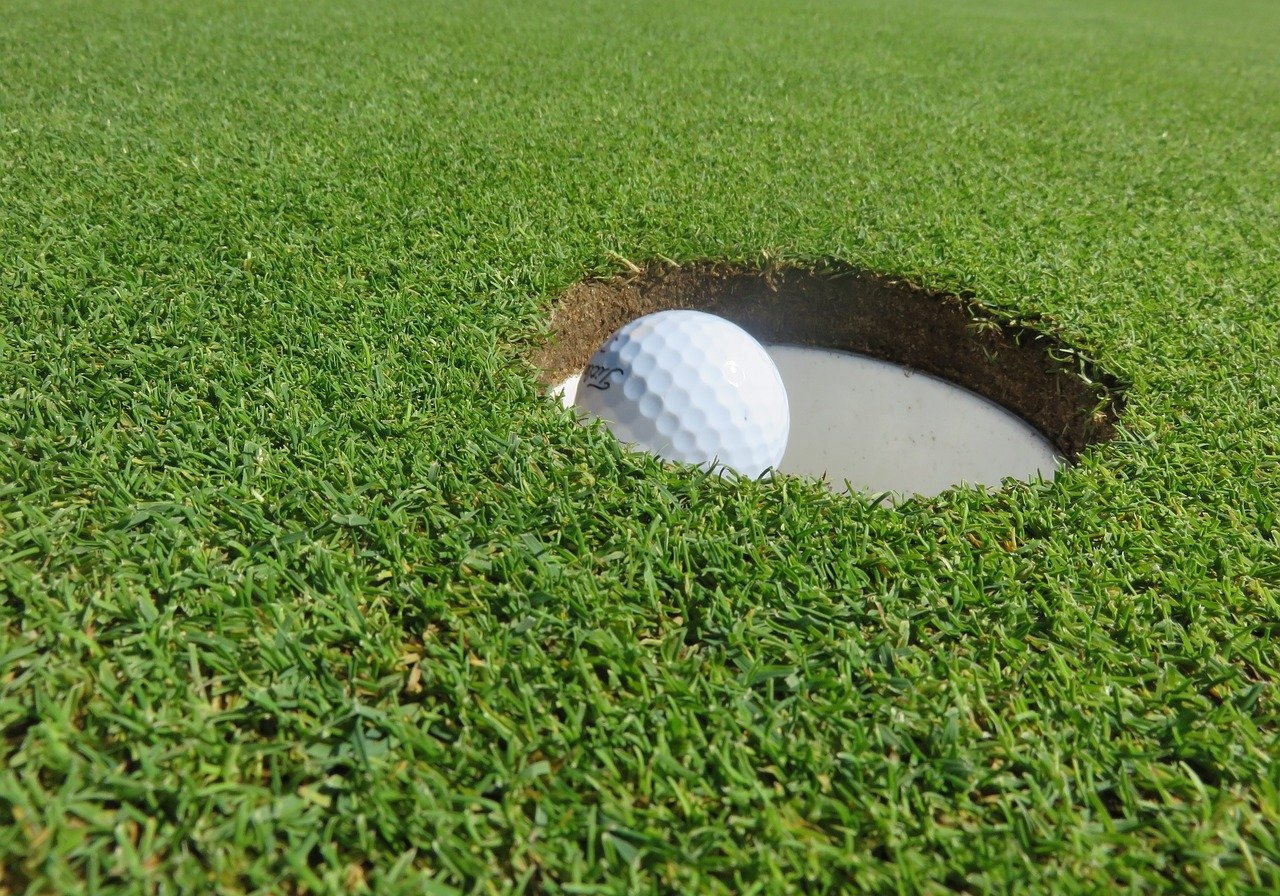
Golf Balls for Slow Swing Speed: Must-Have Tips for Success
Understanding Swing Speed in Golf
Swing speed is a critical element that significantly influences a golfer's performance. Defined as the speed of the clubhead at the moment of impact with the ball, swing speed can vary widely among players. Those with a swing speed of less than 85 mph are typically recognized as having a slow swing speed. This lower velocity can directly affect distance, control, and overall effectiveness on the course.
For golfers with a slower swing speed, understanding the dynamics of their game is essential. With reduced clubhead velocity, these players may struggle to achieve optimal distance and precision. Thus, selecting the right golf ball becomes crucial.
The Importance of Choosing the Right Golf Balls for Slow Swing Speed
Choosing the right golf ball can dramatically enhance a slow-swing golfer's game. The correct ball not only helps increase distance but also boosts accuracy and instills confidence. When evaluating golf balls, three primary factors deserve attention: compression, cover material, and ball construction.
Key Factors to Consider in Golf Balls
Compression Rating
Golf balls are categorized by their compression ratings, which indicate how much the ball compresses upon impact. For players with slow swing speeds, lower compression balls (typically below 70) are preferable. These types require less force to compress, resulting in better energy transfer and maximizing distance while providing a softer feel.
Cover Material
The material used in a golf ball's cover can significantly affect its performance. The two main options are Urethane and Surlyn.
– Urethane: Typically found in higher-end balls, urethane offers exceptional greenside control and spin but is generally more suitable for players with faster swing speed.
⛳ Bogey Golf AI For The Win!
Personalized golf trip itineraries in seconds.
Golf Trip Planner
Your Next Golf Getaway
Curated by Bogey Golf AI
– Surlyn: Known for its durability and forgiving nature, Surlyn is an excellent option for slow-swing golfers, providing a softer feel along with longevity.
Ball Construction
Golf balls primarily come in two-piece or multi-layer constructions, each offering distinct advantages.
– Two-Piece Balls: These typically consist of a solid rubber core and a Surlyn cover. They are more forgiving on off-center hits and produce less spin, making them ideal for beginners and those with slow swing speeds.
– Multi-Layer Balls: Often offering improved control, these balls may not be ideal for players with slower swing speeds as they may lack the requisite distance.
Spin Rate
The spin rate plays a pivotal role in how the ball behaves both in flight and upon landing. For golfers with slow swing speeds, lower-spin balls are preferable as they help reduce the tendency to balloon. This results in a more penetrating trajectory, allowing for greater distance.
Recommended Golf Balls for Slow Swing Speed
Armed with the knowledge of key factors, let’s explore specific golf balls that have garnered acclaim for their performance among slow swing speed players.
⛳ Bogey Golf AI For The Win!
Personalized golf trip itineraries in seconds.
Golf Trip Planner
Your Next Golf Getaway
Curated by Bogey Golf AI
Srixon Soft Feel
With a compression of around 60, the Srixon Soft Feel balances distance and soft touch perfectly. Its 338-dimple design enhances performance, making it an excellent choice for slower swing speeds.
Callaway Supersoft
Featuring an ultra-low compression rating of around 38, the Callaway Supersoft is designed to reduce drag with its advanced hexagonal dimple pattern. It maximizes distance while ensuring a soft feel around the greens—an ideal combination for casual golfers.
Titleist TruFeel
The Titleist TruFeel combines a low compression core with a soft cover, delivering both distance and control. Its soft feel across all clubs makes it a favorite for those looking to maintain grip on approach shots.
Wilson Duo Soft
Known for its super-low compression of around 40, the Wilson Duo Soft provides exceptional feel, accuracy, and distance for slower swing speeds. Its lower spin rates enable straighter shots, boosting performance.
Bridgestone E6
The Bridgestone E6 is engineered for better efficiency and distance, with a compression rating of approximately 44. Its forgiving design minimizes hooks and slices, which can be particularly troublesome for slow-swing golfers.
Testing Golf Balls for Your Game
Finding the best golf ball for your specific needs involves personal testing. Here are some effective steps to evaluate different options:
⛳ Bogey Golf AI For The Win!
Personalized golf trip itineraries in seconds.
Golf Trip Planner
Your Next Golf Getaway
Curated by Bogey Golf AI
1. Purchase a Variety: Start by acquiring a selection of golf balls focused on lower compression options.
2. On-Course Testing: Head to the driving range or your favorite golf course. Take shots with each ball and take note of distance, feel, and performance around the greens.
3. Use Technology: If possible, use launch monitors to collect empirical data on swing speed, ball speed, launch angle, and spin rate. This data can help compare performances more precisely.
4. Gather Feedback: Pay attention to how each ball feels during swings and putts, analyzing your overall performance for different shots.
5. Consistency is Key: Play several rounds with your top picks to evaluate their consistent performance across various conditions.
Conclusion: Prioritize Your Feel
While technology plays an essential role in assessing golf ball performance, personal preference and feel should guide your selection. The right golf ball can enhance your strengths and mitigate weaknesses, smoothing your path to improved performance on the course. By making informed choices based on swing speed and individual needs, you can optimize your game and enjoy golf to its fullest, regardless of swing speed limitations. Choose wisely, and take your performance to the next level!
⛳ Bogey Golf AI For The Win!
Personalized golf trip itineraries in seconds.
Golf Trip Planner
Your Next Golf Getaway
Curated by Bogey Golf AI


