
How to Fix a Hook: Step-by-Step Guide for Beginners
Understanding the Hook
The hook is an essential component of various applications, ranging from fishing lines to clothing items. In fishing, it’s a metal piece designed to catch fish. In clothing or accessories, it may refer to hooks on zippers or clasps. Knowing how to fix a hook is a valuable skill that can save you the cost of replacement and enhance your repair abilities.
Assessing the Damage
Before diving into repairs, evaluate the condition of the hook. Here are a few common issues you may encounter:
- Bent Hooks: They can often be straightened with the right tools.
- Broken Hooks: Complete breaks may require replacement or welding.
- Loose Hooks: They need to be anchored securely back in place.
Tools and Materials You’ll Need
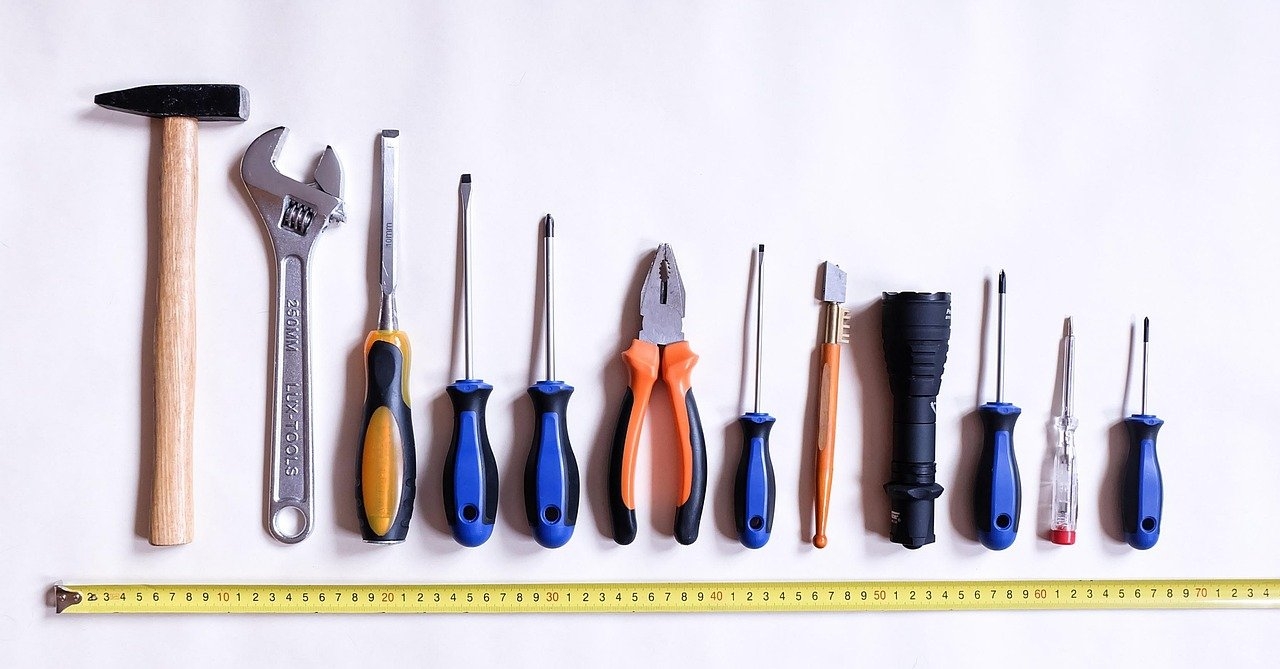
To successfully fix a hook, gather the appropriate tools and materials:

- Pliers: Essential for bending and straightening hooks.
- Screwdriver: For securing screws on clothing or other surfaces.
- Super Glue or Epoxy: For a strong bond if gluing is necessary.
- Replacement Hooks: If you’re unable to repair the existing hook.
- Sandpaper or File: To smooth rough edges, especially after cutting or grinding.
- Measuring Tape: To ensure you’re using the right size replacement.
Step-by-Step Instructions
Fixing a Bent Hook
-
Identify the Bend: Carefully examine the hook to determine where the bend is and how severe it is.
-
Use Pliers: With a pair of pliers, gently grip the hook at the bent section.
-
Straighten the Hook: Gradually apply pressure to straighten the bend. Do this slowly to avoid breaking the hook.
-
Check Alignment: Regularly check the hook's alignment by holding it against a flat surface, ensuring it’s returned to its original shape.
-
Test the Hook: If it’s a fishing hook, ensure it’s sharp and pointy after straightening by running it gently over your fingernail. If it doesn’t catch, it’s likely still dull.
Repairing a Broken Hook
-
Assess the Break: Look at the broken parts to determine if they can be reattached or if a complete replacement is necessary.
-
Clean the Area: Ensure no dirt or contamination is around the break for better adhesion if gluing.
-
Choose Your Adhesive: If you're going to glue, create a rough surface at the break points using sandpaper. This helps the adhesive bond effectively.
-
Apply Super Glue or Epoxy: Use a small amount of glue on both surfaces of the break. Avoid using too much, as it can overflow and complicate the repair.
-
Hold in Place: Press the pieces together firmly for at least 30 seconds.
-
Clamp or Tape: Use a clamp or tape to hold the pieces together while the adhesive cures, usually for around 24 hours.
-
Reinforce (Optional): For added strength, wrap a small piece of wire or thread around the joint once the glue has dried.
Securing a Loose Hook
-
Identify the Issue: Check if the issue comes from loose screws or if the hook itself is faulty.
-
Tighten Screws: Use a screwdriver to tighten any loose screws, ensuring a snug fit without stripping the screw head.
-
Reinforce with Epoxy: In some cases, applying a small amount of epoxy in the area around the screw can help secure loose items better.
-
Replace the Hook: If the hook is still loose post-repair, it may indicate it’s worn out. Slide out the old hook and replace it with a new one.
-
Check Alignment and Functionality: After securing the hook, test to ensure it functions as desired, whether for fastening items or catching fish.
Special Tips for Specific Hooks
-
Fishing Hooks: After fixing, consider re-sharpening it with a hook file for optimal performance. Always check the strongness before your next fishing trip.
-
Clothing Hooks: Always ensure that fabric is not damaged when removing or tightening hooks on clothing. Use a thimble or cloth to protect delicate materials.
-
Screws for Hooks: Always use stainless steel screws for any replacement to prevent rust and corrosion.
Safety Precautions
-
Wear Gloves: When dealing with sharp hooks, gloves will protect your hands from cuts.
-
Work in a Well-Lit Area: Ensures you can see details clearly for accurate repairs.
-
Dispose of Broken Parts Safely: Always dispose of broken hooks and materials properly, especially sharp objects.
Maintenance Tips
-
Regular Checks: Periodically check hooks for damage, especially before using any equipment like fishing gear or clothing.
-
Clean Hooks: For fishing hooks, regularly remove debris and rust. For clothing, wash gently to avoid pulling on hooks.
-
Store Properly: Ensure hooks are stored in a dry, safe area to prevent rust and misalignment.
Conclusion
Fixing a hook, whether it's for fishing or clothing, can save you money and extend the life of your items. By following these detailed steps and using the right tools, even beginners can feel confident in their ability to complete hook repairs successfully. Focus on assessing the damage, using the right technique, and practicing safety to ensure repairs are effective and long-lasting.

