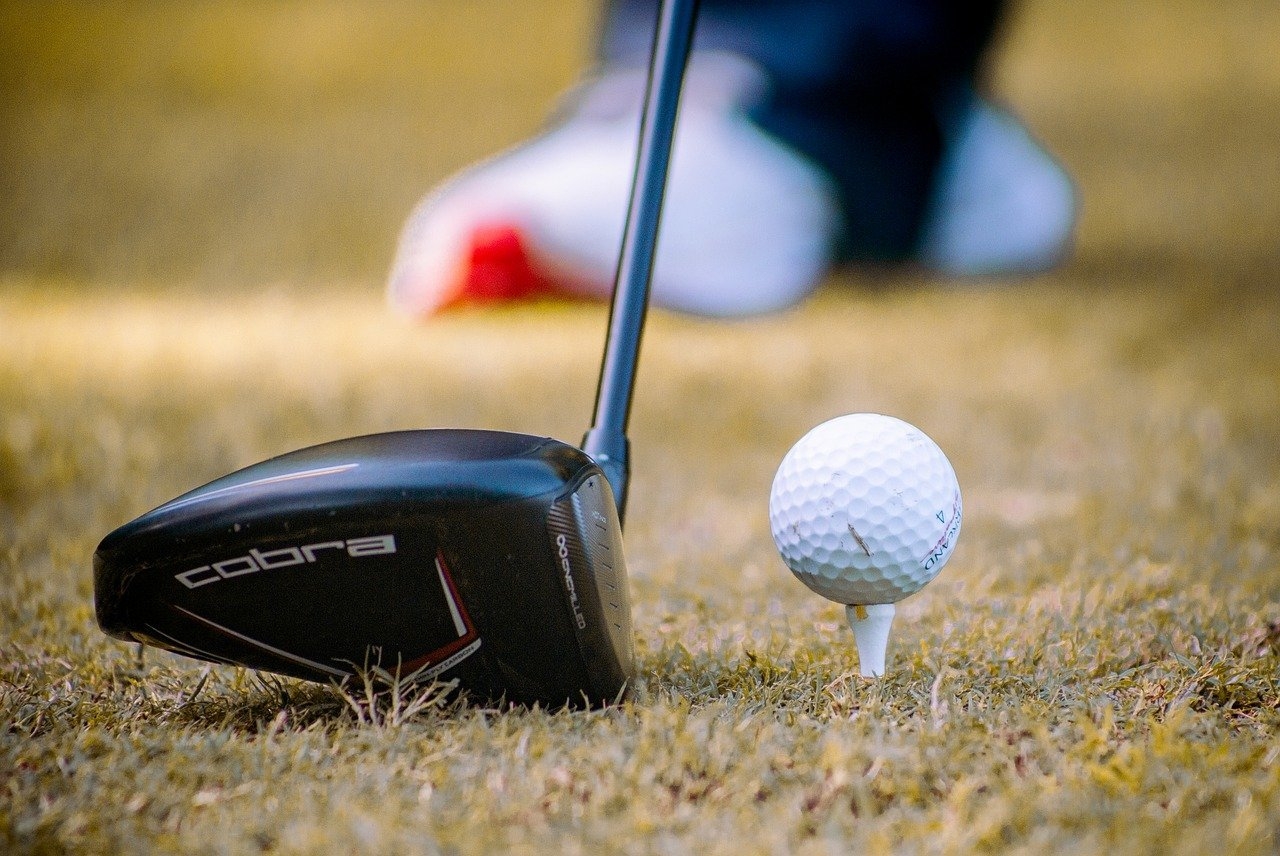
Understanding the Parts of a Golf Club
To hold a golf club effectively, it's crucial to familiarize yourself with its basic components. A standard club consists of three primary parts: the grip, the shaft, and the clubhead. The grip is the rubberized section at the end of the club, designed to be held comfortably. The shaft is the long, narrow section that connects the grip to the clubhead, providing the structure and flexibility required for a swinging motion. Finally, the clubhead is the part that strikes the ball. Each component plays a significant role in how you hold and swing the club.
Choosing the Right Grip Size
One common mistake beginners make is overlooking grip size. The right grip size is essential for comfort and control. Hold the grip in your fingers, ensuring there’s enough space to create a slight gap between your fingers and the palm of your hand. If the grip feels too large or too small, it may result in less control over your shots. Golf stores often have a size guide, and professionals can help assess the best size for your hands.
The Basic Grip Types
-
Interlock Grip: Ideal for beginners, this grip involves interlocking the pinky finger of your trailing hand (right hand for right-handed players, left for left-handed) with the index finger of your lead hand. This locking mechanism promotes stability.
-
Overlap Grip (Vardon Grip): This is favored by more experienced players. In this grip, the pinky of the trailing hand rests on top of the index finger of the lead hand. This grip style allows for a more relaxed wrist position and is ideal for those with larger hands.
-
Ten Finger Grip (Baseball Grip): Often recommended for beginners and younger players, the ten-finger grip utilizes all ten fingers on the club. While less commonly used by advanced players, it provides a strong sense of connection to the club.
The Correct Hand Position
When gripping your club, the positioning of both your hands is critical. Start by holding the club in front of you with both hands extended. Place the lead hand (left for right-handed players, right for left-handed) onto the grip first. The thumb should rest down the back of the shaft while the fingers curl around the grip.
Next, position your trailing hand just below your lead hand. The two thumbs should point down the shaft, with the trailing hand resting comfortably and securely on the grip. Ensure that your hands are working together as a unit, not separately.
Finger and Palm Placement
For a proper grip, the fingers should wrap around the grip, applying equal pressure along the entire span. The lead hand’s index finger often creates a ‘V’ shape with the thumb that should point towards the right shoulder (for right-handed players). This alignment helps in setting up a proper swing arc.
Your palm should not overpower the grip; instead, aim for a soft grip pressure. A gripping pressure that is too hard can lead to tension and limit your swing’s fluidity. Conversely, a grip that is too loose can reduce control over the club, negatively impacting accuracy and distance.
⛳ Bogey Golf AI For The Win!
Personalized golf trip itineraries in seconds.
Golf Trip Planner
Your Next Golf Getaway
Curated by Bogey Golf AI
The Importance of Grip Pressure
Many beginners overlook how pressure affects their game. Your grip should be firm enough to maintain control but relaxed enough to allow for natural wrist movement. A good rule of thumb is the “squeeze and release method.” When you set up for your shot, start with a firm but light grip. As you take your backswing, gradually increase your grip pressure and then release it as you swing through to impact.
Stance and Posture Considerations
Your grip is closely tied to your overall stance and posture. Stand with your feet shoulder-width apart, bending slightly at the knees and hips. Maintain a straight back to ensure proper alignment. The club should rest diagonally in front of you, just above the ground, with your arms hanging naturally.
Proper alignment comes into play once you adopt this position. Ensure your shoulders, hips, and knees are parallel to your target line. The grip should feel natural within this stance, allowing for a seamless transition into the swing.
Practicing Your Grip
Practice is key to mastering your grip. Begin on the driving range or practice green. Focus on the feel of the grip, engaging your muscles and ensuring all fingers are positioned correctly. Spend time hitting short shots or chips to develop muscle memory. Because familiarity breeds comfort, repeating this process will help solidify your technique.
Fine-Tuning Your Grip
As you grow more familiar with the basics, consider experimenting with your grip. Subtle adjustments can significantly impact your performance. For instance, rotating your hands slightly to the right can help promote a fade (a shot that curves right), while rotating them to the left may encourage a draw (curving left).
Using Training Aids
There are various training aids designed to help you develop a solid grip. Devices like grip trainers or rubber bands can help reinforce proper finger placement and grip pressure. Using these tools alongside regular practice will enhance your skills faster.
⛳ Bogey Golf AI For The Win!
Personalized golf trip itineraries in seconds.
Golf Trip Planner
Your Next Golf Getaway
Curated by Bogey Golf AI
Seeking Professional Instruction
If you’re struggling to find the right grip, don’t hesitate to seek professional instruction. Many local golf ranges offer lessons that include one-on-one coaching to assess and correct your grip. An experienced coach can provide personalized feedback to help you refine your approach.
Understanding the Mental Aspect
The psychology of holding a golf club is just as important as the physicality. Relaxation is key; stress and tension can affect your grip and performance. Develop pre-shot routines that focus on relaxation and concentration. Before each shot, take a deep breath, visualize your shot, and ensure a relaxed grip before initiating your swing.

Additional Tips
- Keep your hands away from the body: Ensure that your hands do not get too close to your body during your swing. This can lead to various issues.
- Vary your practice: Try hitting with different clubs (drivers, irons, etc.) to get accustomed to how each feels in your hands.
- Stay consistent: Revisit your grip often, especially if you notice changes in your swing or shots. Consistency in grip can save you from undesirable performance variations.
By understanding these fundamental aspects of how to hold a golf club, beginners can significantly enhance their enjoyment of the game and lay a strong foundation for future improvements. Mastering your grip will not only improve your accuracy and distance but will also give you the confidence needed to enjoy each round on the course. Embrace the learning process, focus on making adjustments, and watch your game flourish.

