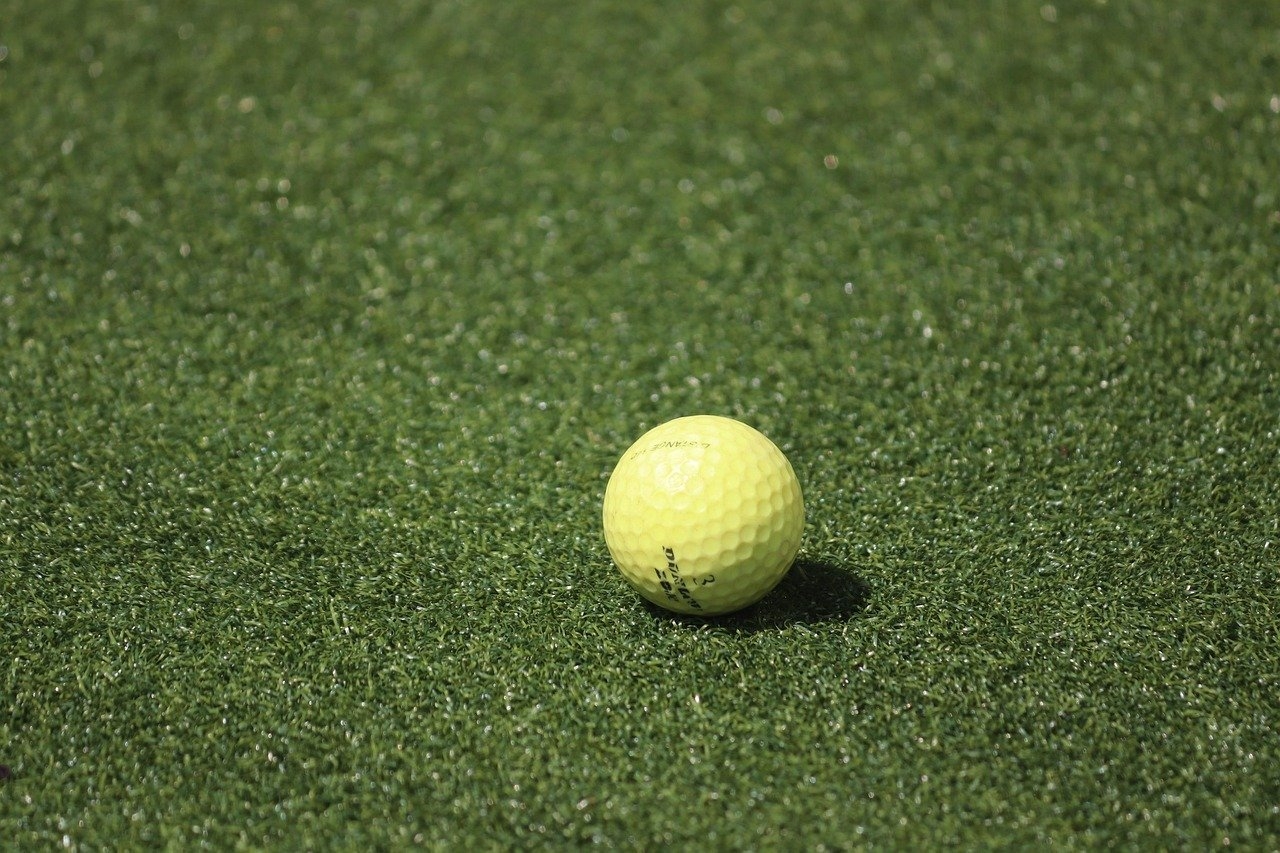
Understanding Low Compression Golf Balls
Low compression golf balls have emerged as a popular choice, especially for new players looking to improve their game. These balls are designed to compress easily upon impact, offering a variety of benefits that cater to beginners and high-handicap golfers. A deeper understanding of how low compression balls work and their advantages can significantly enhance your golfing experience.
What Are Low Compression Golf Balls?
Low compression golf balls typically feature a compression rating of 70 to 80. This lower compression rating means that the core of the ball is softer, allowing it to compress more on impact with the clubface. The result is a ball that reacts differently than its high-compression counterparts, affecting distance, control, and feel.
Benefits of Low Compression Golf Balls
1. Increased Distance
New players often struggle to generate adequate swing speed. Low compression golf balls are designed to maximize distance even at lower swing speeds. When a golfer hits a low compression ball, it compresses more readily, leading to higher launch angles and greater carry distances. The ball’s construction helps new players achieve optimal flight paths, making it easier to reach greens and fairways.
2. Enhanced Feel
Novice golfers benefit from the soft feel of low compression golf balls. The gentler touch can improve feedback on impact, which is critical for developing proper mechanics and understanding swing dynamics. Many players find that a softer feel enhances their confidence, allowing them to focus on their game rather than worrying about mishits.
3. Improved Control
Low compression balls offer better control around the greens. The soft core allows for enhanced spin rates, helping players execute delicate chips and putts. New golfers may find that low compression balls help them achieve desired results when attempting to stop the ball on a dime or navigate tricky lies. This increased control can significantly improve short-game performance, critical for lowering scores.
4. Lower Vibration
With a softer composition, low compression golf balls minimize vibrations on impact. This aspect is particularly beneficial for new players, as it reduces game fatigue and discomfort, especially for those still acclimating to the physical demands of golf. The reduced vibration can lead to a more enjoyable experience, allowing players to maintain focus and stamina throughout a round.
⛳ Bogey Golf AI For The Win!
Personalized golf trip itineraries in seconds.
Golf Trip Planner
Your Next Golf Getaway
Curated by Bogey Golf AI
Selecting the Right Low Compression Golf Ball
When choosing a low compression golf ball, consider various factors such as performance characteristics and brand. Some popular options include:
1. Titleist TruFeel
The Titleist TruFeel is designed for players seeking exceptional feel and distance. With a compression rating of around 70, the TruFeel features a soft cover, providing excellent greenside control. Titleist is renowned for its engineering, ensuring that this ball meets the standards of quality desired by new golfers.
2. Callaway Supersoft
The Callaway Supersoft is a favorite among recreational players for its ultra-low compression of 38. The ball boasts increased distance and a soft feel, coupled with enhanced aerodynamics that help it maintain a stable flight path. It’s particularly effective for those just starting, making it a solid choice for beginners.
3. Srixon Soft Feel
Srixon Soft Feel golf balls provide a remarkable combination of distance and control. With a compression rating of 60, these balls are ideal for players with moderate swing speeds. Their two-piece construction offers exceptional durability, ensuring that beginners can rely on their performance throughout multiple rounds.
4. Wilson Duo Soft
The Wilson Duo Soft golf balls feature a remarkable compression rating of 29, making them one of the softest balls available. This ball is explicitly crafted for players who seek an easier launch and enhanced feel, making it a perfect fit for newer golfers striving to improve their skills.
Common Myths Surrounding Low Compression Golf Balls
Myth 1: Low Compression Balls can’t Achieve Distance
One of the most prevalent misconceptions is that low compression balls lack distance. However, the opposite is often true. Low compression balls are engineered for optimal performance across varying swing speeds, providing distance even when golfers struggle to generate power.
⛳ Bogey Golf AI For The Win!
Personalized golf trip itineraries in seconds.
Golf Trip Planner
Your Next Golf Getaway
Curated by Bogey Golf AI
Myth 2: Low Compression Isn’t Suitable for Advanced Players
While low compression balls are excellent for beginners, they can also benefit advanced players. Golfers with slower swing speeds may find that low compression balls offer a better feel and control without sacrificing distance or performance. Many professionals use low compression balls to enhance their short game.
Myth 3: They’re Only for Seniors or Women
Though often marketed toward seniors and women, low compression golf balls can be advantageous for anyone with a lower-than-average swing speed. By breaking the stereotype, players of all demographics can explore how low compression technology can enhance their games.
Impact on the Short Game
Low compression balls significantly influence players' short games. The softer feel allows for greater control on chips and delicate putts. New golfers can learn to gauge distance by practicing with a low compression ball and noting how it behaves on the green. This ability to “feel” the ball enhances confidence, especially in crucial situations.
The Role of Spin
Spin is crucial for shot control, particularly in approaches and around the greens. Low compression golf balls often provide better spin than high compression balls for slower swing speeds. This spin control helps beginners manage various shots, from delicate chips to tricky putts, improving their overall performance.
Frequently Asked Questions
Are Low Compression Golf Balls Only for Beginners?
No, while they are more suited for beginners and players with slower swing speeds, golfers of all skill levels can benefit from the advantages of low compression balls.
Can I Use Low Compression Golf Balls in Tournament Play?
Many low compression balls are designed for tournament compliance. Always check if a particular ball is conforming to the rules of your tournament.
⛳ Bogey Golf AI For The Win!
Personalized golf trip itineraries in seconds.
Golf Trip Planner
Your Next Golf Getaway
Curated by Bogey Golf AI
Do Low Compression Balls Last as Long as High Compression Balls?
Typically, low compression balls may wear down faster due to their softer cover material. However, advancements in technology have led to durable designs that can withstand regular play.
Will Low Compression Balls Help My Slice?
While switching to low compression balls may not directly correct a slice, improved distance and control from a softer ball can help new players focus on their swing mechanics and overall performance.

Final Thoughts on Low Compression Golf Balls
Low compression golf balls are not just a trend; they are a practical solution that caters to the needs of new players. With their design prioritizing distance, feel, and control, they unlock opportunities for beginners to develop their skills while enjoying the game more fully. Understanding their advantages can reshape how new golfers approach the sport, leading to a more fulfilling experience on the course.

