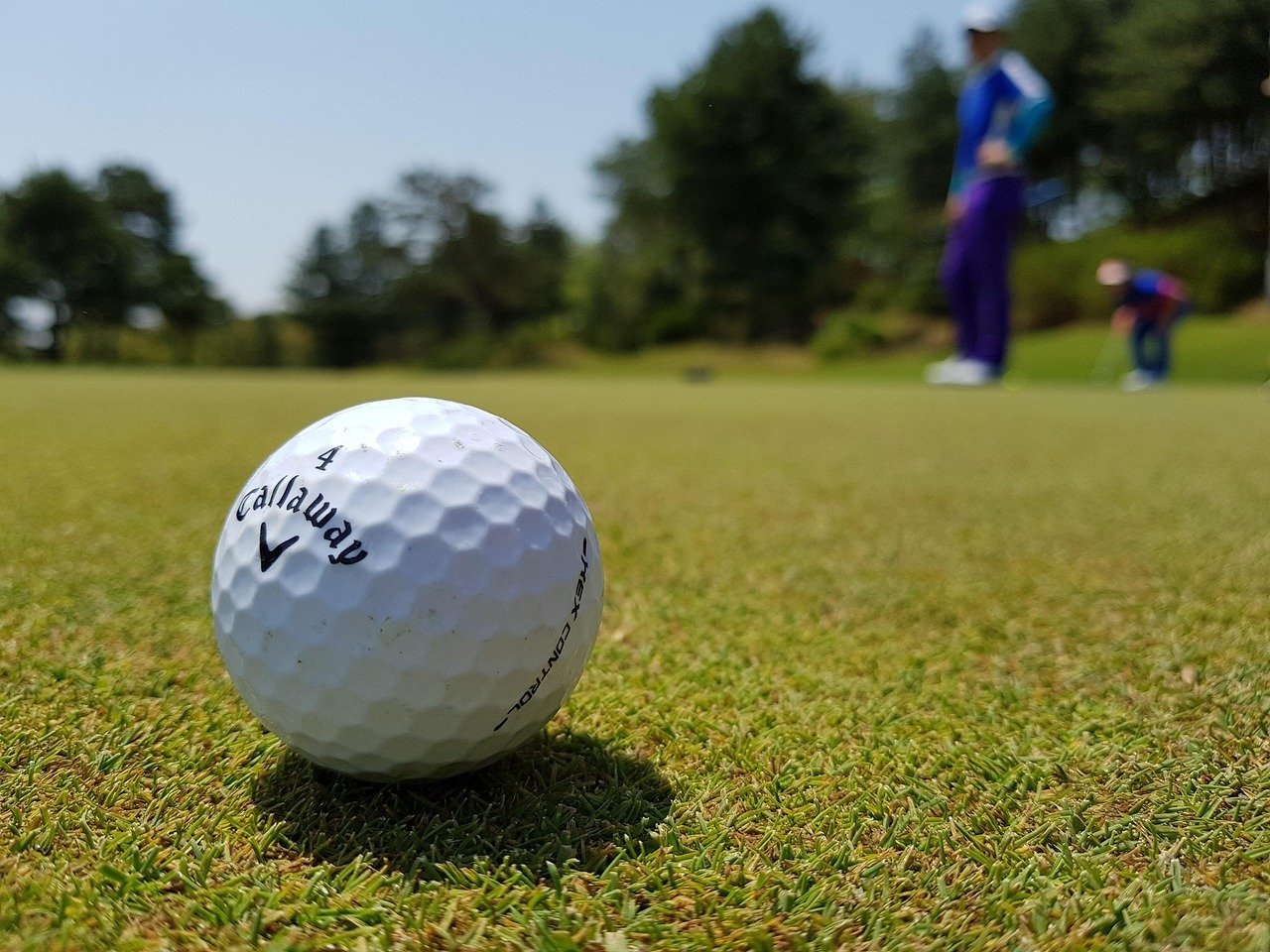
Understanding Golf Club Grip
In the realm of golf, the grip is the connection between the player and the club—it’s the most fundamental aspect of the swing. While many golfers obsess over equipment and swing technique, they often overlook the importance of grip. A proper grip can enhance your performance, increase control, and lead to a more consistent game.
Importance of Grip in Golf
-
Control: An optimal grip allows you to control the clubface throughout your swing, impacting not only distance but also direction.
-
Consistency: A consistent grip leads to a uniform swing, which is crucial for better shot-making.
-
Feel: The grip affects how you ‘feel’ the club, providing feedback about your swing path and contact with the ball.
Types of Grips
Before getting into tips for mastering your grip, it’s essential to understand the various types of grips commonly used in golf:
1. Overlap Grip
This grip involves the pinky finger of the trailing hand overlapping the index finger of the leading hand. It is popular among many professional golfers as it promotes a solid connection between the hands.
2. Interlocking Grip
In this grip, the pinky of the trailing hand interlocks with the index finger of the leading hand. This is a favorite among golfers with smaller hands.
3. Baseball Grip
Also known as the “ten-finger grip,” this method places all fingers on the club without any overlapping. This grip is often recommended for beginners.
Tips for Developing a Proper Grip
1. Position Your Hands Correctly
-
Left Hand Placement: For right-handed players, the left hand should grip the club first. Position it diagonally across the grip, with the thumb running down the shaft.
-
Right Hand Placement: The right hand should gently wrap around the left, ensuring the palm is facing toward the target.
2. Check Your Fingers
Ensure the fingers are not gripping too tightly. A proper grip should allow you to maintain control while preventing tension. The fingers should be wrapped around the club, with the thumb resting comfortably against it.
⛳ Bogey Golf AI For The Win!
Personalized golf trip itineraries in seconds.
Golf Trip Planner

Your Next Golf Getaway
Curated by Bogey Golf AI
3. Maintain a Neutral Grip
A neutral grip helps avoid hooks and slices. The “V” formed by your thumb and index finger on each hand should point toward your right shoulder.
Grip Pressure
1. The Squeeze Test
Hold the club lightly, similar to holding a tube of toothpaste without squeezing out the paste. Your grip pressure should be firm enough to keep the club secure but not so tight that it restricts movement.
2. Adjust Throughout the Game
Across different clubs and swings, your grip pressure might need slight adjustments. For instance, tightening your grip may be necessary during windy conditions, while a relaxed grip might help in achieving a smooth swing.
Practicing Your Grip
1. Use Training Aids
Consider employing training aids designed to help golfers improve their grip. Devices like grip trainers can provide feedback and help reinforce proper technique.
2. Gripping Without a Ball
Spend time practicing your grip without any intent to strike a ball. Rehearse your hand placements and grip pressures in a static environment before adding movement.
Common Grip Errors
1. Gripping Too Tightly
Over-gripping can lead to muscular tension, affecting your swing mechanics. Aim for a relaxed, comfortable grip to ensure fluidity in your transitions.
⛳ Bogey Golf AI For The Win!
Personalized golf trip itineraries in seconds.
Golf Trip Planner
Your Next Golf Getaway
Curated by Bogey Golf AI
2. Improper Hand Placement
Hands that are positioned incorrectly can lead to misalignment and inconsistent shots. Always revisit your grip before a round or practice session.
3. Inconsistent Grip
Holding the club differently for various shots can lead to inconsistency. Establish a routine where you grip the club the same every time for each type of shot.
Advanced Grip Techniques
1. Understand Grip Alignment
Your wrists and forearms should create a straight line with the clubshaft. This alignment can lead to improved accuracy and power.
2. Grip Adjustments for Different Shots
- Wedge Shots: A slightly stronger grip can help with lower trajectory shots.
- Long Drives: Loosen your grip during your drive for added clubhead speed.
Grip Maintenance
Proper care for your golf grips can greatly influence your game.
1. Cleaning Your Grips
Regularly clean your grips to remove dirt and moisture. Use mild soap and water, wiping them down with a soft cloth to maintain optimal textures.
2. Replacing Worn Grips
Monitor your grips for signs of wear or slickness. Depending on usage, grips may need replacing annually or semi-annually.
⛳ Bogey Golf AI For The Win!
Personalized golf trip itineraries in seconds.
Golf Trip Planner
Your Next Golf Getaway
Curated by Bogey Golf AI

Summary of Grip Principles
- Hold: A relaxed, controlled hold for optimal swing mechanics.
- Placement: Correct positioning of hands ensures the best outcomes.
- Pressure: Understanding and adjusting grip pressure based on the shot can enhance your performance.
- Consistency: Establish a routine to maintain grip throughout your game.
Conclusion
Mastering your golf grip is a continuous journey involving practice, mindfulness, and adjustment. Whether you’re a beginner learning the fundamentals or an experienced golfer refining your technique, understanding and perfecting your grip is essential for improving your overall game. Remember, the grip isn’t just about holding the club; it’s about connecting with it and building confidence in every swing you take.

