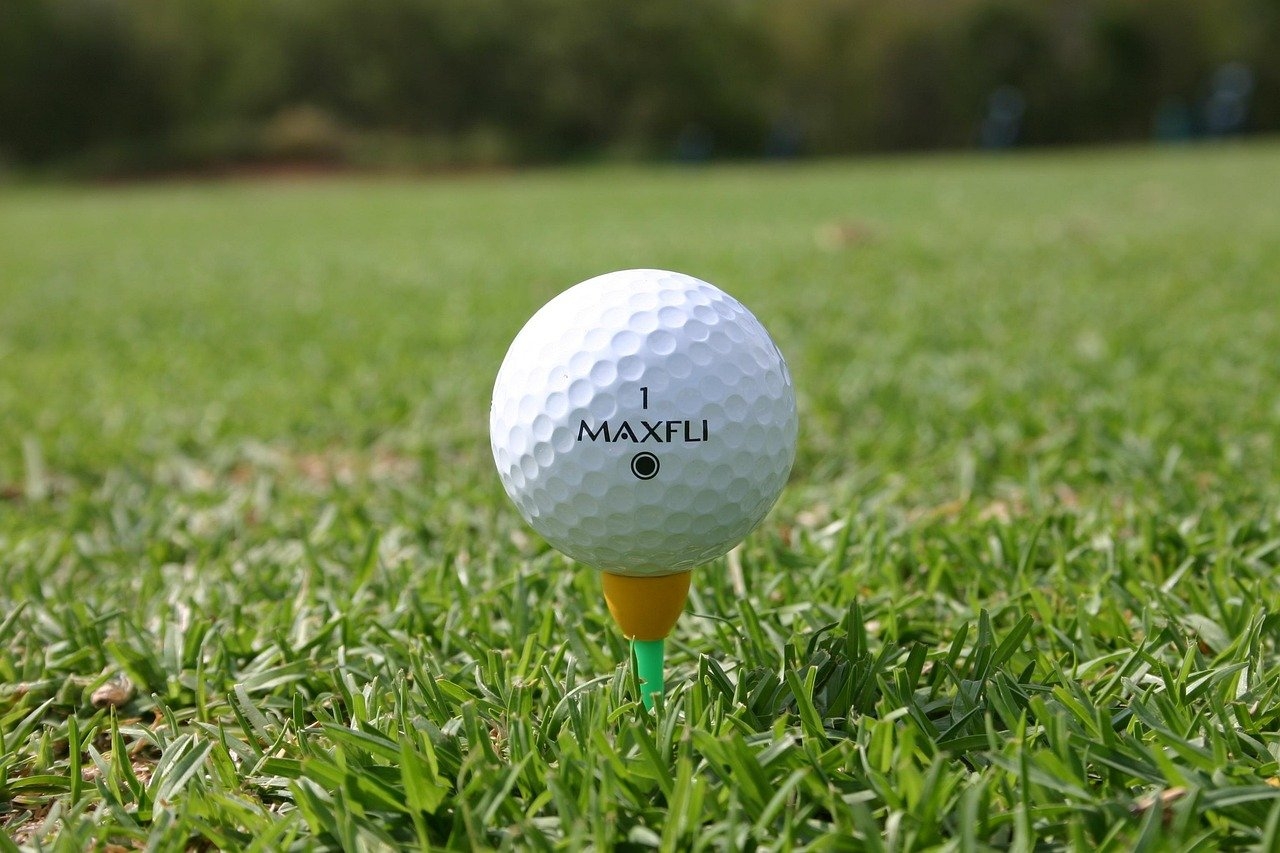
Understanding Golf Ball Construction
Golf balls consist of various components that significantly influence performance. Each type features a core, cover, and number of layers.
-
Core: The inner layer determines the ball’s compression and energy transfer. A lower compression ball (below 70) is suited for beginners, as it requires less energy to compress, generating more distance.
-
Cover: The outer layer, made from materials like Surlyn or urethane, impacts spin and feel. Surlyn offers durability and distance, while urethane provides greater control and spin around the greens.
-
Layers: Basic golf balls have two layers (core and cover), while more advanced models have three or four layers. Multi-layered balls offer more control and varied performance depending on swing speed.
Types of Golf Balls
Understanding the different types of golf balls can provide insights into which options best suit your game.
-
Two-Piece Balls: Ideal for beginners, these balls feature a solid core and a tough exterior, promoting distance and durability. The low spin reduces the risk of slices and hooks.
-
Three-Piece Balls: Typically featuring a soft inner core, these balls are suitable for mid-level players looking for distance and some spin. They provide feedback on putting and chipping.
-
Four-Piece Balls: These balls have an advanced design and are suitable for experienced players who seek precision and control. They offer a soft feel with spin around the greens, catering to advanced skills.
Compression Ratings Explained
The compression rating of a golf ball indicates how much the ball deforms upon impact.
-
Low Compression (Below 70): These balls are softer, ideal for novice players with slower swing speeds. They help achieve maximum distance with minimum effort.
-
Medium Compression (70-90): Ideal for mid-handicappers, these balls provide a balance between distance and feel.
-
High Compression (Above 90): Designed for players with high swing speeds, these balls enhance control and accuracy, emphasizing performance over distance.
Spin Control and Feel
Spin control affects how the ball reacts upon landing:
-
Low Spin: Constraints the ball’s movement, reducing hooks and slices—perfect for beginners learning their swings.
-
Mid Spin: Provides a balance for mid-handicappers who desire distance with modest spin for better control.
-
High Spin: Essential for experienced players, high-spin balls allow for precision on approach shots and enhanced control on the green.
Choosing the Right Ball Based on Skill Level
Selecting a golf ball according to your skill level is crucial:
-
Beginner: Seek two-piece balls with low compression (examples: Titleist DT TruSoft, Callaway Supersoft). These models provide a softer feel and enhanced distance, supporting new players to develop their fundamentals.
-
Intermediate: Opt for three-piece balls like the Srixon Q-Star or Bridgestone e6. They deliver a blend of distance and control, catering to those beginning to refine their games.
-
Advanced: If you’re proficient with a consistent swing, four-piece balls such as the Titleist Pro V1 or TaylorMade TP5 will suit your needs, promoting maximum control and spin for low handicap players.
Weather Conditions and Ball Selection
The weather can significantly impact ball performance.
⛳ Bogey Golf AI For The Win!
Personalized golf trip itineraries in seconds.
Golf Trip Planner

Your Next Golf Getaway
Curated by Bogey Golf AI
-
Windy Conditions: Use a lower spinning ball to minimize wind resistance. The extra distance from low-spin technology helps maintain trajectory.
-
Wet Conditions: Choose a softer ball that grips the wet greens, enhancing control during play.
-
Cold Weather: Colder temperatures affect ball compression. Opt for low compression balls that maintain performance even in chillier climates.
Brand Considerations
Each golf ball brand offers unique technologies and features. Here’s a breakdown of popular brands:
-
Titleist: Renowned for their premium balls, Titleist focuses on performance. The Pro V1 is a top choice among professionals for its consistency and control.
-
Callaway: Known for innovative designs, Callaway’s Chrome Soft provides exceptional feel and spin, making it a favorite among intermediate golfers.
-
TaylorMade: Offers long-lasting performance, with models like the TP5 providing durability and excellent control, appealing to advanced players.
-
Srixon: Provides competitive options, especially for value. Their Q-Star is popular among intermediate players for good spin and distance.
-
Bridgestone: Focuses on customizations, allowing golfers to find the perfect fit for their games. The e6 is great for beginners with its soft feel.
Personal Preferences and Playing Style
Individual preferences play a crucial role in ball selection. Consider these factors:
-
Swing Speed: Assess your swing speed to determine compression. Lower swing speeds benefit from lower compression balls, while higher speeds may require firmer options for better performance.
-
Playing Style: If you prioritize distance, a two-piece ball with low spin will serve you well. For those who prefer control and spin, a urethane-covered ball would be more beneficial.
-
Preference on Feel: Some players may want the soft feel of lower compression balls for better responsiveness, while others might prefer the firmer feel for enhanced feedback.
Testing Golf Balls
Before making a purchase, testing various golf balls ensures a better fit for your game. Use these methods to evaluate:
-
Driving Range: Hit a selection of golf balls on the driving range. Pay attention to distance and feel, and observe how they react to your shots.
-
On-Course Testing: Play a round with multiple balls, noting how each performs during various situations, such as chipping or putting.
-
Friends and Colleagues: Seek advice from fellow golfers with similar skill levels. Their recommendations might help narrow down choices.
-
Local Pro Shop: Many shops offer demo balls, allowing you to gain firsthand experience before making a decision.
Final Thoughts
By understanding the components, types, and properties of golf balls, beginners can make informed choices. Evaluating personal play style, weather conditions, and brand preferences is essential for optimal performance on the course. Testing various golf balls to embrace what suits your game best enables you to elevate your golfing experience in 2025 and beyond.


