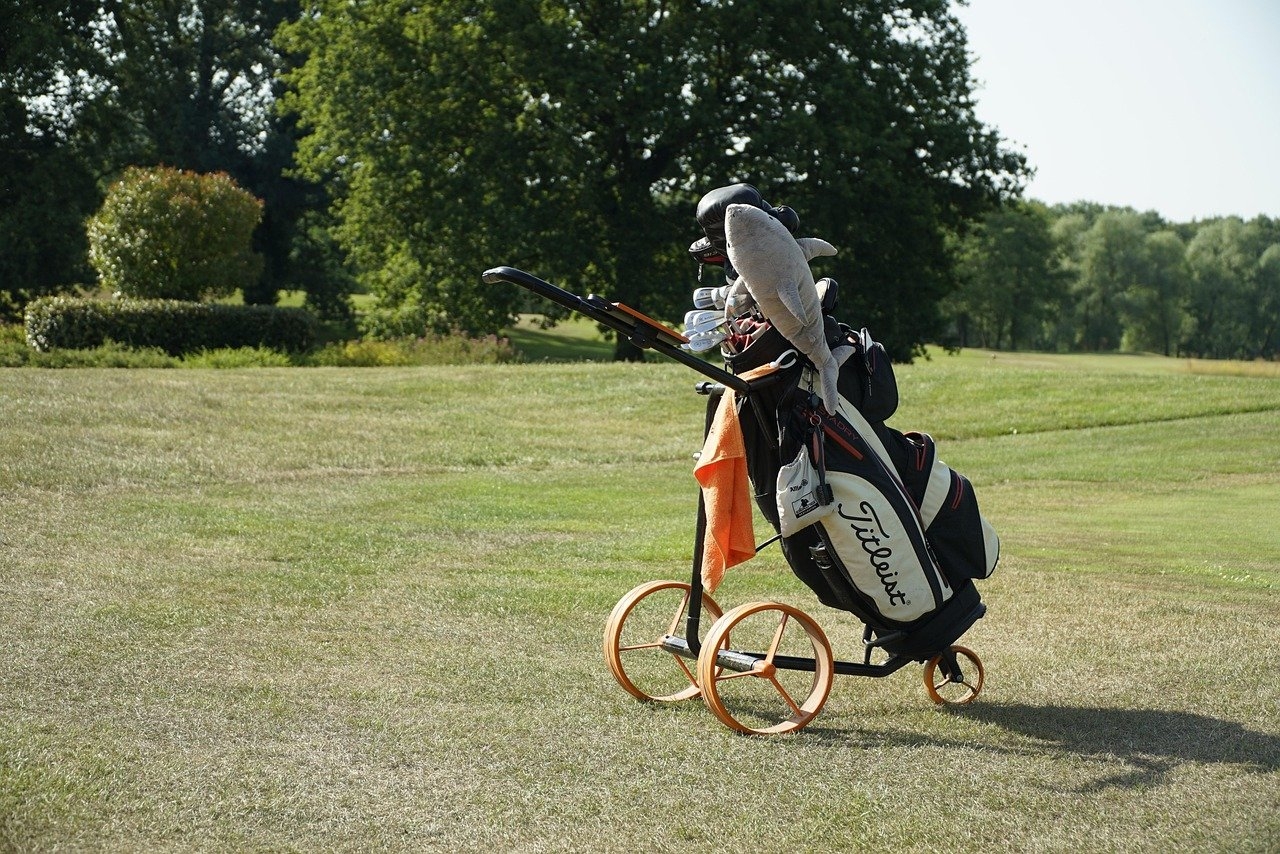
Breathable Golf Gloves: The Ultimate Solution for Hot Weather Performance
Golf enthusiasts understand the critical role of hand comfort and grip during gameplay, especially in challenging weather conditions. Breathable golf gloves have emerged as a game-changing solution for players seeking optimal performance and comfort during hot and humid rounds.
Material Innovation in Breathable Golf Gloves
Modern breathable golf gloves leverage advanced synthetic materials and specialized fabric technologies to address traditional comfort limitations. Manufacturers now utilize lightweight, moisture-wicking fabrics like microfiber, synthetic leather, and performance mesh to create gloves that actively manage heat and perspiration.
Key materials include: – Lycra stretch panels – Perforated synthetic leather – Advanced moisture-management fabrics – Lightweight mesh construction – Elastic and flexible synthetic blends
Temperature Regulation and Moisture Management
⛳ Bogey Golf AI For The Win!
Personalized golf trip itineraries in seconds.
Golf Trip Planner

Your Next Golf Getaway
Curated by Bogey Golf AI
The primary function of breathable golf gloves is temperature control and moisture reduction. Strategically placed ventilation zones and micro-perforations enable consistent airflow, preventing excessive sweating and maintaining optimal hand temperature.
Advanced gloves feature: – Strategic perforation patterns – Moisture-wicking inner linings – Quick-drying fabric technologies – Enhanced breathability zones – Thermal regulation properties
Performance Benefits for Golfers
Beyond temperature management, breathable golf gloves offer significant performance advantages. Improved ventilation reduces hand fatigue, prevents slippage, and maintains consistent grip strength throughout gameplay.
Performance enhancements include: – Reduced hand moisture – Enhanced grip stability – Improved tactile sensitivity – Minimized hand fatigue – Consistent hand temperature
Design Considerations for Maximum Effectiveness
⛳ Bogey Golf AI For The Win!
Personalized golf trip itineraries in seconds.
Golf Trip Planner
Your Next Golf Getaway
Curated by Bogey Golf AI
Effective breathable golf gloves incorporate sophisticated design elements that balance comfort, functionality, and durability. Manufacturers focus on creating lightweight, form-fitting gloves with targeted ventilation and ergonomic construction.
Critical design features: – Articulated finger construction – Flexible material integration – Seamless inner linings – Precision fit engineering – Targeted breathability zones
Material Selection and Technology
Advanced material science plays a crucial role in developing high-performance breathable golf gloves. Manufacturers invest significant research and development resources into creating innovative fabric technologies that enhance player comfort and performance.
Cutting-edge material technologies: – Nano-fabric engineering – Moisture-management polymers – Synthetic leather alternatives – Lightweight performance textiles – Compression-integrated designs
Durability and Longevity Considerations
⛳ Bogey Golf AI For The Win!
Personalized golf trip itineraries in seconds.
Golf Trip Planner
Your Next Golf Getaway
Curated by Bogey Golf AI
While breathability remains paramount, manufacturers must balance ventilation with durability. Premium breathable golf gloves utilize reinforced construction techniques and strategically placed durable materials to ensure extended product lifespan.
Durability enhancement strategies: – Reinforced palm regions – Strategic material layering – Abrasion-resistant fabric treatments – High-tensile strength synthetic fibers – Precision stitching techniques
Climate-Specific Performance
Different climatic conditions demand specialized breathable golf glove designs. Manufacturers develop region-specific gloves that address unique environmental challenges, ensuring optimal performance across diverse playing environments.
Climate-specific variations: – Tropical humidity solutions – Desert heat management – Moderate temperature designs – High-altitude performance gloves – Coastal environment adaptations
Professional Athlete Endorsements and Testing
⛳ Bogey Golf AI For The Win!
Personalized golf trip itineraries in seconds.
Golf Trip Planner
Your Next Golf Getaway
Curated by Bogey Golf AI
Professional golfers serve as critical testing platforms for breathable golf glove technologies. Extensive field testing and athlete feedback drive continuous innovation and refinement in glove design and performance.
Testing and development processes: – Professional athlete trials – Laboratory performance evaluations – Biomechanical analysis – Real-world performance metrics – Continuous technological iteration
Market Trends and Consumer Preferences
The breathable golf glove market continues expanding, driven by increasing consumer demand for high-performance, comfortable equipment. Players increasingly prioritize technological innovation and specialized design over traditional glove constructions.
Emerging market trends: – Customizable fit options – Sustainable material integration – Smart textile technologies – Personalized design preferences – Enhanced performance metrics
Price Range and Accessibility
⛳ Bogey Golf AI For The Win!
Personalized golf trip itineraries in seconds.
Golf Trip Planner
Your Next Golf Getaway
Curated by Bogey Golf AI
Breathable golf gloves are available across various price points, accommodating different budget considerations. Entry-level options provide basic moisture management, while premium models offer advanced technological features.
Typical price categories: – Budget-friendly options ($10-$25) – Mid-range performance gloves ($25-$50) – Professional-grade technologies ($50-$100) – Premium custom designs ($100+)
Future Development Trajectories
Ongoing research and development suggest continued innovation in breathable golf glove technologies. Emerging trends indicate potential integration of smart textiles, advanced thermal regulation, and personalized performance tracking capabilities.
Anticipated technological advancements: – Biometric monitoring integration – Advanced thermal management – Self-cleaning fabric technologies – Enhanced grip optimization – Sustainable material innovations
Maintenance and Care Recommendations
⛳ Bogey Golf AI For The Win!
Personalized golf trip itineraries in seconds.
Golf Trip Planner
Your Next Golf Getaway
Curated by Bogey Golf AI
Proper maintenance ensures extended breathable golf glove performance and longevity. Players should follow manufacturer-recommended cleaning and storage protocols to preserve fabric integrity and moisture-management capabilities.
Care guidelines: – Hand wash with mild detergent – Air dry at room temperature – Avoid direct heat exposure – Store in cool, dry environments – Replace when signs of wear appear
Selecting the Right Breathable Golf Glove
Choosing an appropriate breathable golf glove requires careful consideration of individual playing style, climate, and personal preferences. Players should prioritize fit, material quality, and specific performance requirements.

Selection criteria: – Precise sizing – Material composition – Ventilation features – Grip performance – Durability expectations

