
Critical Signs of Wear and Damage in Second-Hand Golf Clubs
Club Head Condition
Carefully examining the club head reveals critical insights into a golf club's overall condition and potential performance limitations. Scratches and scuff marks are normal, but deep gouges or significant surface damage can compromise the club's structural integrity and aerodynamic properties. Metal woods, particularly drivers and fairway woods, should be inspected for dents, cracks, or deformations that might impact ball flight and distance.

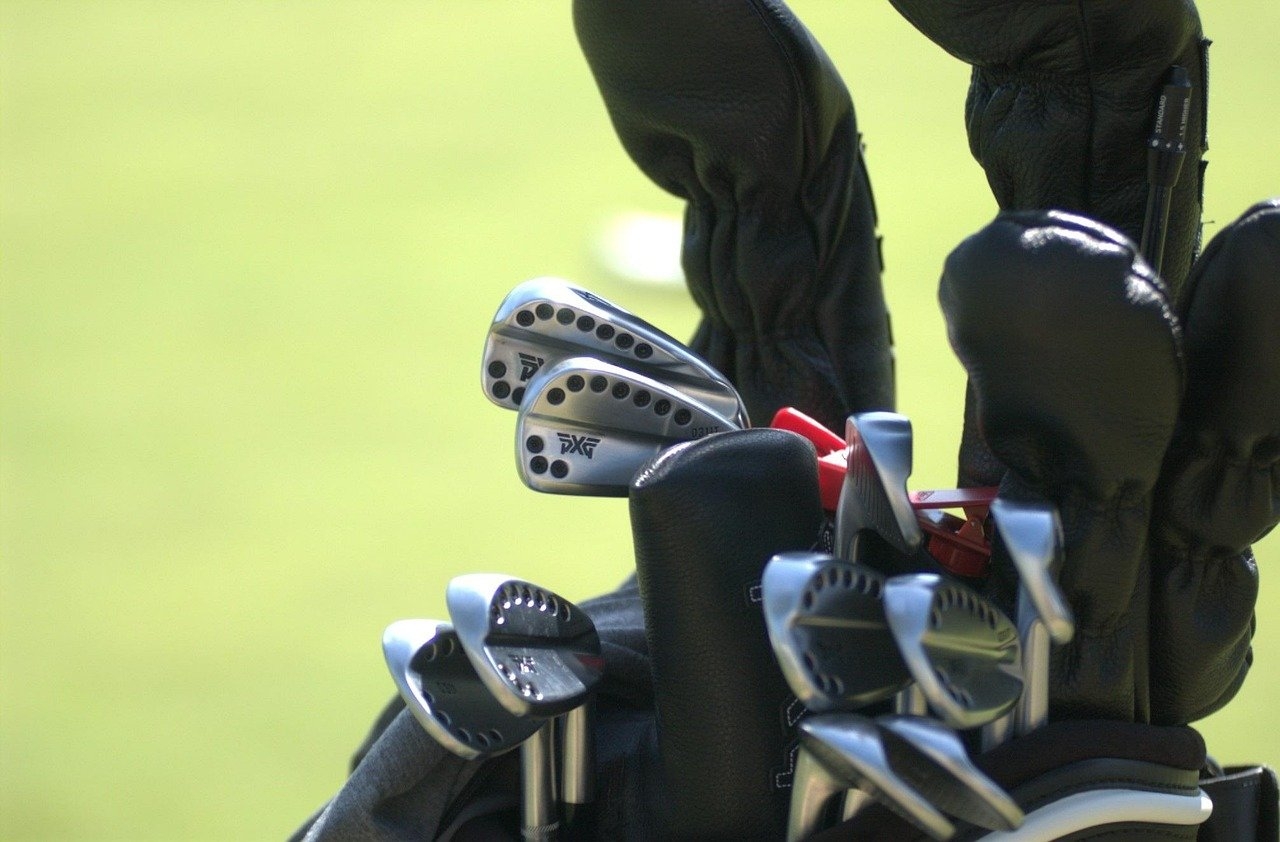
For irons, look for signs of excessive wear on the clubface, especially near the sweet spot. Grooves are essential for generating spin and control, and worn or damaged grooves can dramatically reduce a club's effectiveness. Use a groove gauge to measure groove depth and width, ensuring they meet standard specifications. Clubs with severely degraded grooves will produce inconsistent ball spin and reduced shot accuracy.
Shaft Integrity Assessment
The shaft represents a crucial component that directly influences club performance and player comfort. Visual inspection should focus on signs of bending, twisting, or structural compromise. Graphite shafts require particularly careful examination, as micro-cracks can develop internally without obvious external indicators.
⛳ Bogey Golf AI For The Win!
Personalized golf trip itineraries in seconds.
Golf Trip Planner
Your Next Golf Getaway
Curated by Bogey Golf AI
Check for the following potential shaft issues: – Visible hairline fractures – Unusual flex or wobbling during swing motion – Discoloration or delamination in graphite shafts – Rust or corrosion in steel shafts – Significant weight imbalances
Grip Evaluation
Golf club grips are wear components that directly impact player control and comfort. Inspect grips for multiple degradation signs: – Smooth, slick surfaces indicating reduced traction – Visible cracks or tears – Hardening or brittleness – Uneven wear patterns – Separation from shaft connection point
Worn grips increase the likelihood of club slippage during swing, potentially causing inconsistent shots and reduced overall performance. Professional regripping is relatively inexpensive and can significantly improve club handling.
Ferrule and Hosel Condition
Often overlooked, the ferrule and hosel areas provide critical insights into a club's history and potential damage. Inspect these regions for: – Visible separation between ferrule and club head – Signs of previous repairs – Unusual angles or misalignments – Rust or corrosion around connection points
⛳ Bogey Golf AI For The Win!
Personalized golf trip itineraries in seconds.
Golf Trip Planner
Your Next Golf Getaway
Curated by Bogey Golf AI
Misaligned or damaged ferrules can indicate previous impacts or improper maintenance, potentially compromising the club's structural integrity.
Loft and Lie Angle Verification
Precision measurements of loft and lie angles are essential when evaluating second-hand clubs. Use a professional loft and lie measuring device to confirm: – Consistent angle specifications – Potential bending or warping – Alignment with manufacturer standards
Significant deviations from original specifications can dramatically impact shot trajectory and overall performance.
Technological Wear Assessment
Modern golf clubs incorporate advanced technological features that can degrade over time. For clubs with adjustable components or weight systems, verify: – Smooth functionality of adjustment mechanisms – No signs of corrosion in movable parts – Secure locking of adjustable elements – Integrity of electronic or mechanical adjustment systems
⛳ Bogey Golf AI For The Win!
Personalized golf trip itineraries in seconds.
Golf Trip Planner
Your Next Golf Getaway
Curated by Bogey Golf AI
Hybrid and Utility Club Considerations
Hybrid and utility clubs require specialized inspection due to their complex design. Pay particular attention to: – Face cup integrity – Internal weighting system condition – Transition areas between different materials – Potential micro-fractures in complex geometries
Structural Recommendations
When evaluating second-hand golf clubs, consider the following hierarchical approach: 1. Conduct comprehensive visual inspection 2. Perform precise measurements 3. Test club performance through controlled swings 4. Consult professional club fitters for detailed assessment
Price and Value Correlation
Understanding wear signs helps determine appropriate pricing for second-hand clubs. Minor cosmetic wear typically doesn't significantly impact performance, while structural damage can substantially reduce a club's value.
⛳ Bogey Golf AI For The Win!
Personalized golf trip itineraries in seconds.
Golf Trip Planner
Your Next Golf Getaway
Curated by Bogey Golf AI
Material-Specific Considerations
Different club materials require unique assessment strategies: – Forged clubs: More susceptible to subtle structural changes – Cast clubs: More consistent but potentially more brittle – Titanium components: Require specialized inspection techniques – Multi-material constructions: Complex wear assessment
Professional Consultation
While comprehensive self-assessment is valuable, professional club fitters can provide definitive evaluations using specialized equipment and expertise. Consider professional inspection for high-value or performance-critical club purchases.

By systematically examining these critical wear indicators, golfers can make informed decisions when purchasing second-hand golf clubs, ensuring optimal performance and avoiding potential equipment failures.

