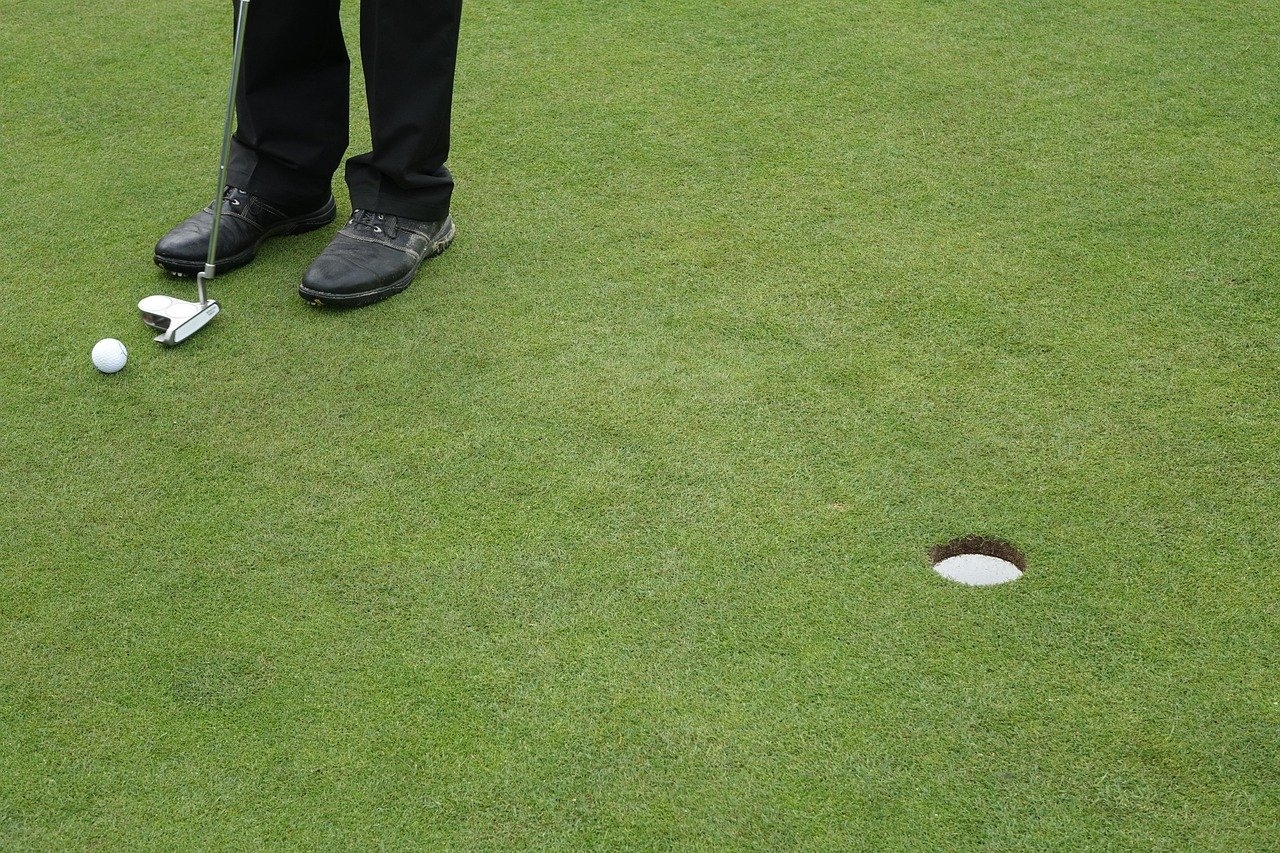
Understanding Your Game: Why Choosing the Right Golf Ball Matters
When beginning your journey into golf, one of the often-overlooked aspects is the golf ball you select. While golfers obsess over clubs and putters, the ball can significantly influence performance, especially for beginners. An appropriate golf ball can enhance your control, distance, and overall enjoyment of the game. Understanding the specific characteristics of golf balls can help novices make informed decisions.
Golf Ball Construction
Golf balls are typically made with two to five layers, varying by performance. The most common types include:
- Two-Piece Balls: Made of a solid core encased in a tough outer layer, these balls provide durability and distance, making them ideal for beginners.
- Three-Piece Balls: These have a soft inner core for better feel and a more responsive performance. They provide moderate spin and distance but may require more precision in striking.
- Four or Five-Piece Balls: Often used by advanced players, these balls have multiple cores layered for enhanced control and spin. Beginners may find such balls too sophisticated for their current skill level.
Compression Ratings
A golf ball's compression rating plays an essential role in how it behaves during play. Compression is the measurement of how much the ball deforms upon impact.
- Low Compression (below 70): Ideal for slower swing speeds, typically found in two-piece balls. These give more distance and a softer feel.
- Medium Compression (70-90): Suitable for average players with moderate swing speeds, providing a balance of distance and feel.
- High Compression (above 90): Best for faster swing speeds, offering greater control and accuracy but can be challenging for beginners.
Key Factors to Consider
-
Distance: An ideal golf ball for beginners should allow for maximum distance. Look for balls with lower spin rates as they tend to fly straighter and further.
-
Feel: As a beginner, the feel of the golf ball is crucial. A softer ball will provide better feedback on your shots, helping you gauge impact more effectively.
-
Spin: While advanced players may rely on higher spin options for intricate shot-making, beginners benefit more from low spin balls to maintain control and avoid slicing or hooking.
-
Durability: Beginners tend to lose more balls during their early outings. Thus, a durable golf ball will withstand repeated strokes and rough terrains.
-
Price: With new golfers often losing balls, it's wise to start with economically priced ones. This way, you can practice without breaking the bank.
Recommended Golf Balls for Beginners
1. Srixon Soft Feel
Compression: 60
Layers: 2
Price Range: Budget-friendly
The Srixon Soft Feel is renowned for its low compression rating, which helps beginners achieve maximum distance without sacrificing feel. Its 338 dimples provide excellent aerodynamics for greater lift and overall performance.
2. Titleist TruFeel
Compression: 70
Layers: 2
Price Range: Affordable
⛳ Bogey Golf AI For The Win!
Personalized golf trip itineraries in seconds.
Golf Trip Planner
Your Next Golf Getaway
Curated by Bogey Golf AI
Titleist is synonymous with quality, and the TruFeel lives up to the brand's reputation. With an ultra-soft cover, it offers superior feel and a high ball flight, making it easier for beginners to achieve distance.
3. Callaway Supersoft
Compression: 38
Layers: 2
Price Range: Economical
Renowned for its exceptionally soft feel, the Callaway Supersoft ball allows beginners to achieve higher speeds with lower spin, leading to longer distances. The ball’s aerodynamic structure enhances carry, making it a fantastic choice for new golfers.
4. **Wilson Duo Soft+
Compression: 50
Layers: 2
Price Range: Budget-friendly
The Wilson Duo Soft+ is one of the softest balls on the market, specifically designed for slow swing speeds. It offers a remarkable feel around the greens while providing the distance beginners typically seek.
5. Bridgestone e6
Compression: 44
Layers: 2
Price Range: Mid-range
⛳ Bogey Golf AI For The Win!
Personalized golf trip itineraries in seconds.
Golf Trip Planner
Your Next Golf Getaway
Curated by Bogey Golf AI
The Bridgestone e6 features an anti-side spin technology that helps combat hooks and slices, making it an excellent choice for beginners struggling with consistency. Its soft cover enhances feel and control, which is beneficial for developing golfers.
Tips for Testing Golf Balls
-
Field Testing: Spend time hitting each selected ball at the driving range. Pay attention to distance, feel, and whether you get the desired trajectory.
-
Short Game Performance: Hit some chips and pitches around the green. A ball that feels good on short shots will boost your confidence.
-
Putting: Roll a few putts with different balls. The right golf ball should provide a satisfying roll and feel during these critical shots.
The Importance of Personal Preference
While recommendations can guide beginners toward suitable options, personal preference is vital. What works for one golfer may not work for another. Experimenting with different brands, compression levels, and feels will help you find the best fit for your swing and style. Through trial and error, you will discover the golf ball that complements your game.
Keeping Up with Technology Advancements
Stay abreast of technology in golf balls as manufacturers frequently innovate to enhance performance. New materials, designs, and technologies continue to emerge, altering how golf balls perform. As skills improve, revisiting ball selection may lead to rediscovering balls that better suit your evolving game.
Final Thoughts
For beginners, selecting the right golf ball can seem daunting amidst so many options. However, understanding the essential features, such as construction, compression, and personal preferences, can simplify the process. By choosing a ball designed for increased distance and improved feel, you'll likely enhance your enjoyment and performance on the course, paving the way for your development as a golfer. With patience, practice, and the right gear, you can elevate your game and embrace golf fully.


