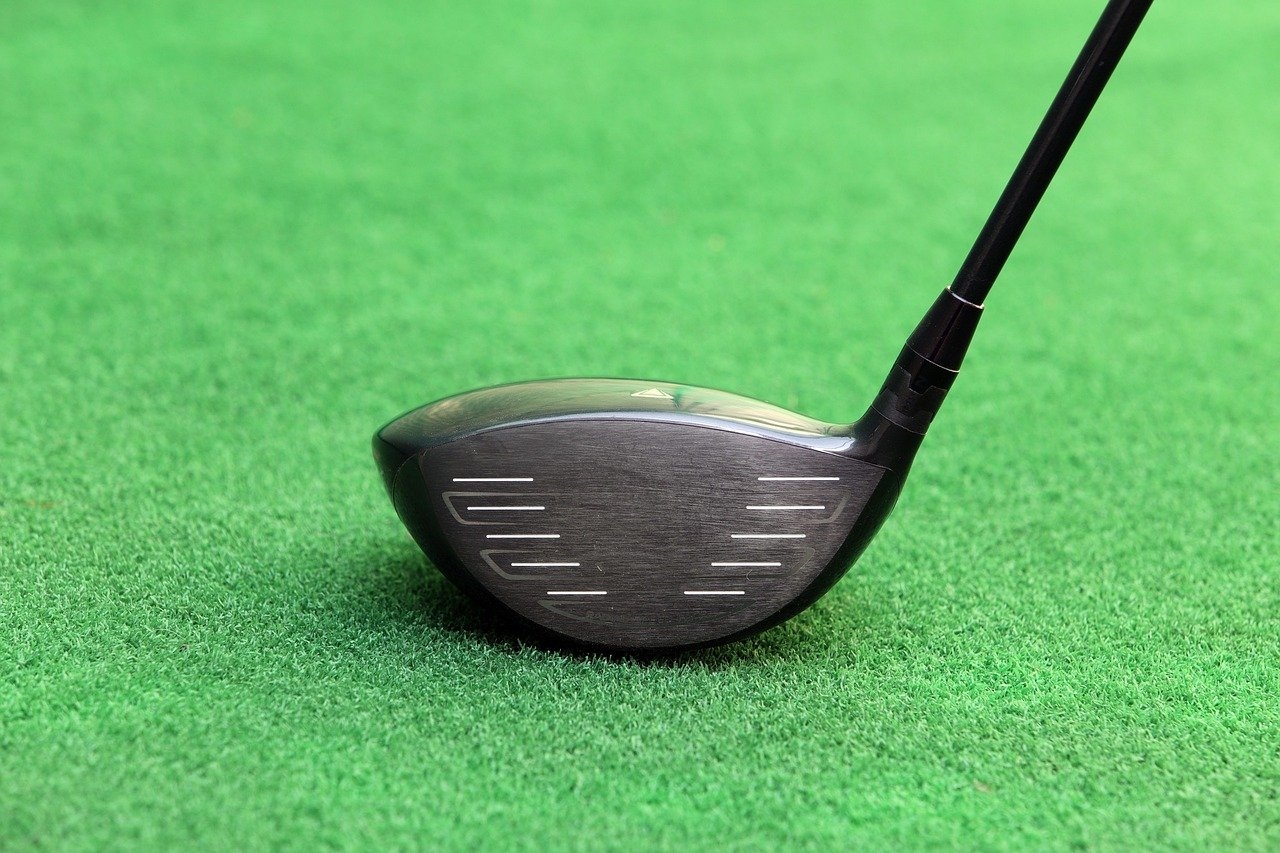
Understanding Graphite Shafts
Graphite shafts have revolutionized the game of golf, offering numerous benefits over traditional steel shafts, including weight reduction, vibration absorption, and enhanced flexibility. Selecting the right graphite shaft can significantly influence a golfer's performance, making it essential to understand various factors that affect your choice.
Key Factors to Consider
1. Flexibility
Shaft flexibility is crucial for achieving the right swing dynamics. The main flex categories include:
- Extra Stiff (X): Ideal for high swing speeds (105+ mph), providing maximum control.
- Stiff (S): Suited for players with swing speeds between 95-105 mph, offering a balance of distance and control.
- Regular (R): Designed for average swing speeds (85-95 mph), promoting moderate distance while ensuring accuracy.
- Senior (A): Perfect for slower swing speeds (75-85 mph), prioritizing ease of swing and increased distance.
To determine the correct flex, practice with different shaft flexes at a fitting session, assessing how each performs with your swing.
2. Weight Distribution
Graphite shafts come in various weights typically ranging from 50 to 90 grams. The choice of weight impacts swing speed, control, and distance.
- Lightweight Shafts (50-60 grams): Typically enhance swing speed and are favored by players with slower swing speeds.
- Mid-weight Shafts (60-75 grams): Provide a balanced performance, suitable for a range of swing speeds and skill levels.
- Heavyweight Shafts (75+ grams): Offer improved control and stability, preferred by those with faster swing speeds.
During fittings, experiment with shafts of varying weights to find one that feels comfortable without compromising your swing rhythm and acceleration.
3. Kick Point
The kick point, or flex point, is where the shaft bends during the swing. This characteristic influences the trajectory of your shots.
⛳ Bogey Golf AI For The Win!
Personalized golf trip itineraries in seconds.
Golf Trip Planner
Your Next Golf Getaway
Curated by Bogey Golf AI
- Low Kick Point: Generates a higher launch angle, ideal for players needing more height, typically recommended for those with slower swing speeds.
- Mid Kick Point: Offers a balanced trajectory, suited for average golfers wanting versatility in their shots.
- High Kick Point: Produces a lower launch angle, perfect for faster swingers looking to achieve a lower trajectory for precision.
Understanding where your kick point lies can help fine-tune your shots and optimize your distance and control.
4. Torque
Torque measures the amount of twisting a shaft undergoes during a swing. Lower torque values (2.5-3.5 degrees) are suitable for stronger players who can generate high swing speeds, while higher torque options (3.5+ degrees) benefit those with slower swings, providing a more forgiving feel.
Choosing the appropriate torque enhances shot control and resilience, giving you confidence in each swing.
Custom Fitting Process
1. Analyzing Swing Characteristics
Before settling on a graphite shaft, analyze your swing characteristics as they provide crucial insights for shaft selection. Factors like swing speed, swing path, and launch angle must be evaluated, often during a fitting session using launch monitors.
2. Trial and Error
Testing different shafts is an essential step. A professional fitting can allow you to try various combinations of flex, weight, kick point, and torque. Pay attention to how each shaft feels during swings and on contact with the ball.
3. Getting Professional Advice
Consulting with experienced club fitters can be invaluable. They have the expertise and technology required to assess your swing and recommend the right graphite shaft tailored to your needs.
⛳ Bogey Golf AI For The Win!
Personalized golf trip itineraries in seconds.
Golf Trip Planner
Your Next Golf Getaway
Curated by Bogey Golf AI
Understanding the Brand Options
Different brands can influence performance characteristics. Each manufacturer employs unique technologies that impact overall design and performance:
- Fujikura: Known for their lightweight designs that enhance swing speed while maintaining stability.
- Mitsubishi Chemical: Dedicated to producing high-performance shafts focusing on precision and distance.
- Aldila: Provides excellent options for players who prefer a firmer feel and increased control.
- Graphite Design: Renowned for their premium shafts, offering an array of flex options and low torque designs.
Price Points and Budgeting
Graphite shafts come at various price points, from budget-friendly options to premium lines:
- Entry-Level Shafts ($25-$50): Suitable for beginners, emphasizing affordability and basic technology.
- Mid-Range Shafts ($50-$150): Offer a balance between performance and cost, typically featuring better materials and construction.
- High-End Shafts ($150-$300+): Tailored for more advanced players, these often include state-of-the-art technologies ensuring consistency and performance.
Align your budget with your skill level and goals. Investing in a quality shaft can significantly impact your game, making a moderate budget for better performance worthwhile.
Adjusting Technique
It's important to remember that the shaft isn't the sole factor in your golf game. Proper technique is equally vital. Investing time in practicing your swing mechanics can enhance your performance alongside the right graphite shaft.
Maintenance and Care
Ensure the longevity of your graphite shafts by maintaining the equipment properly. After each round, clean the shafts and heads with a soft cloth to remove dirt and moisture. Periodically check for damages or wear and consider regripping if the grips become slick.
Final Thoughts on Selection
Selecting the appropriate graphite shaft involves understanding multiple factors that play into your swing. By analyzing your unique characteristics, trialing different options, consulting professionals, and considering brand advantages, you lay a foundation for optimized performance on the course. Investing time in the process will lead to significant benefits, improving your overall game performance and enjoyment.
⛳ Bogey Golf AI For The Win!
Personalized golf trip itineraries in seconds.
Golf Trip Planner
Your Next Golf Getaway
Curated by Bogey Golf AI


