
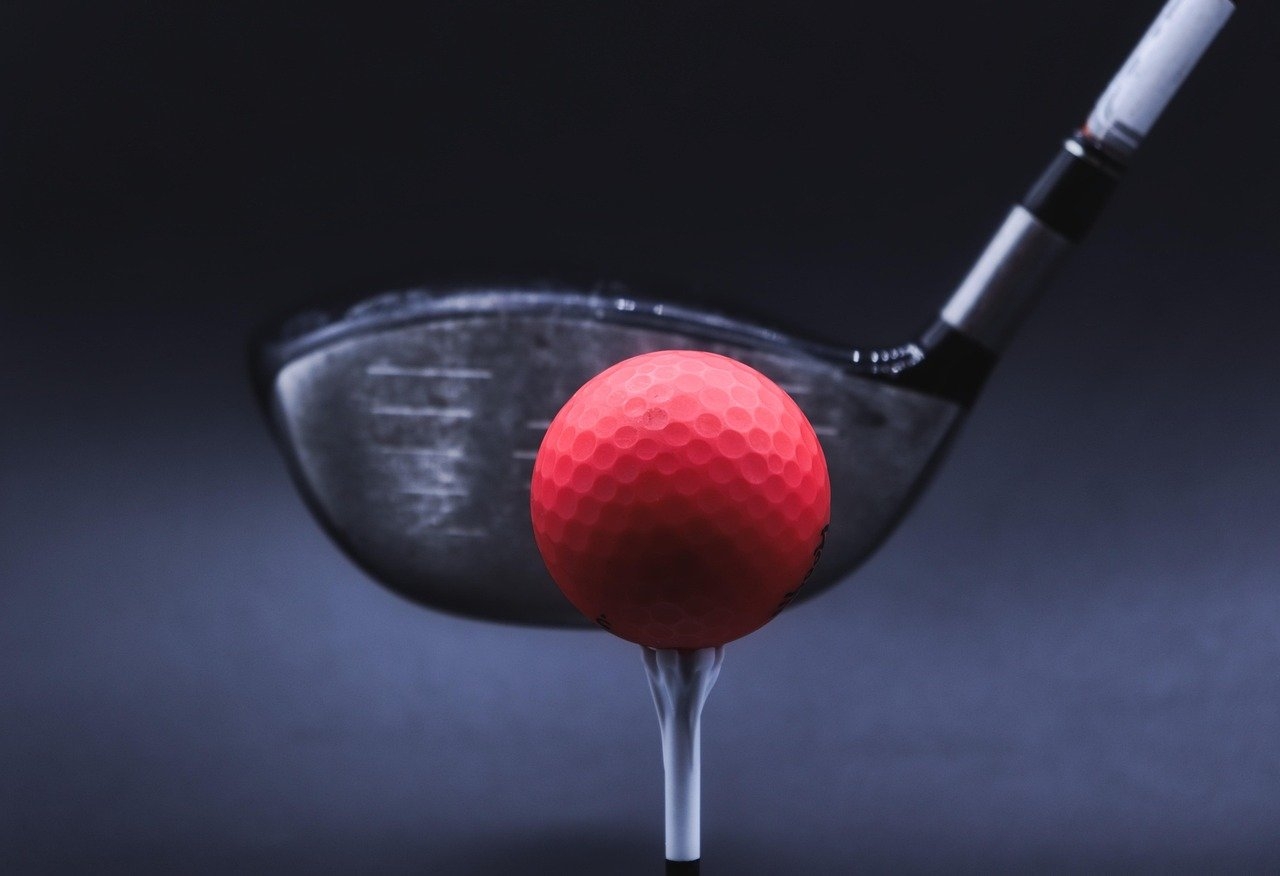
How to Restore Your Used Golf Clubs: Cleaning and Maintenance Techniques
Golf clubs are significant investments that require proper care and maintenance to ensure optimal performance and longevity. Whether you've recently purchased used clubs or want to breathe new life into your existing set, understanding the right restoration techniques can dramatically improve your equipment's appearance and functionality.
Essential Tools and Supplies

Before beginning the restoration process, gather the following supplies: – Soft-bristled brush – Warm water – Mild dish soap – White vinegar – Microfiber cloths – Steel wool (fine grade) – Chrome or metal polish – Grip solvent – Replacement grips – Club head covers – Rubbing alcohol – Towels – Bucket
Cleaning Club Heads
1. Remove Surface Dirt Start by removing loose dirt and debris from club heads using a soft-bristled brush. Gently sweep across the surface, paying special attention to grooves and crevices where dirt tends to accumulate. For stubborn dirt, create a mixture of warm water and mild dish soap.
⛳ Bogey Golf AI For The Win!
Personalized golf trip itineraries in seconds.
Golf Trip Planner

Your Next Golf Getaway
Curated by Bogey Golf AI
2. Deep Cleaning Techniques Soak club heads in warm, soapy water for 10-15 minutes, carefully avoiding submerging the entire club. Use a soft brush to scrub away remaining dirt and grime. For rust removal, create a solution of equal parts white vinegar and water. Soak rusty areas briefly and use fine-grade steel wool to gently remove rust spots.
3. Metal and Chrome Restoration After cleaning, dry club heads thoroughly with a microfiber cloth. Apply a specialized metal or chrome polish to restore shine and protect the surface. Use circular motions and buff until the surface appears smooth and gleaming.
Grip Restoration and Replacement
1. Assessing Grip Condition Inspect grips for signs of wear, including: – Smooth, slick surfaces – Visible cracks – Hardened material – Discoloration – Loss of tackiness
2. Cleaning Existing Grips For grips that are salvageable, use grip solvent and a clean cloth to remove dirt and restore some tackiness. Rubbing alcohol can also effectively clean and refresh grip surfaces.
3. Grip Replacement Process When cleaning isn't sufficient, replace grips using these steps: – Remove old grip with grip tape remover – Clean shaft thoroughly – Apply new grip tape – Slide new grip into place – Allow 24 hours for proper adhesion
⛳ Bogey Golf AI For The Win!
Personalized golf trip itineraries in seconds.
Golf Trip Planner
Your Next Golf Getaway
Curated by Bogey Golf AI
Shaft Maintenance
1. Inspection and Cleaning Check shafts for: – Dents – Scratches – Corrosion – Alignment issues
Clean shafts using rubbing alcohol and a soft cloth. For graphite shafts, use extra caution to prevent scratching.
2. Minor Repair Techniques Small scratches on metal shafts can be minimized using fine-grit sandpaper and metal polish. For significant damage, professional repair or replacement might be necessary.
Preventing Future Damage
1. Storage Recommendations – Store clubs in a temperature-controlled environment – Use head covers to protect club heads – Keep clubs dry after use – Avoid extreme temperature fluctuations
⛳ Bogey Golf AI For The Win!
Personalized golf trip itineraries in seconds.
Golf Trip Planner
Your Next Golf Getaway
Curated by Bogey Golf AI
2. Regular Maintenance Schedule – Clean clubs after each round – Inspect equipment monthly – Replace grips every 40-50 rounds – Store clubs properly between uses
Advanced Restoration Considerations
For vintage or collectible clubs, consider consulting professional restoration experts. Some rare or antique clubs require specialized techniques to maintain their value and integrity.
Professional vs. DIY Restoration
While many restoration tasks can be completed at home, some complex repairs might necessitate professional intervention. Assess your skill level and the extent of club damage before attempting significant repairs.
Cost-Effective Restoration Strategies
⛳ Bogey Golf AI For The Win!
Personalized golf trip itineraries in seconds.
Golf Trip Planner
Your Next Golf Getaway
Curated by Bogey Golf AI
– Purchase supplies in bulk – Learn basic maintenance techniques – Invest in quality cleaning tools – Perform regular maintenance to prevent extensive damage
Environmental Considerations
Choose environmentally friendly cleaning products and dispose of old grips and materials responsibly. Many golf equipment retailers offer recycling programs for used golf equipment.
Technical Restoration Tips
1. Groove Cleaning Maintain clean grooves using specialized groove cleaning tools. Clear debris to ensure consistent ball spin and control.
2. Alignment Verification Periodically check club head alignment using professional alignment tools or techniques.
⛳ Bogey Golf AI For The Win!
Personalized golf trip itineraries in seconds.
Golf Trip Planner
Your Next Golf Getaway
Curated by Bogey Golf AI
Performance Enhancement
Proper restoration not only improves equipment appearance but can also enhance overall performance. Well-maintained clubs provide: – Consistent ball striking – Improved accuracy – Better feel – Enhanced durability

By implementing these comprehensive restoration techniques, golfers can extend the life of their clubs, improve performance, and save money on frequent equipment replacements. Regular maintenance and thoughtful care transform used clubs into reliable, high-performing golf tools.

