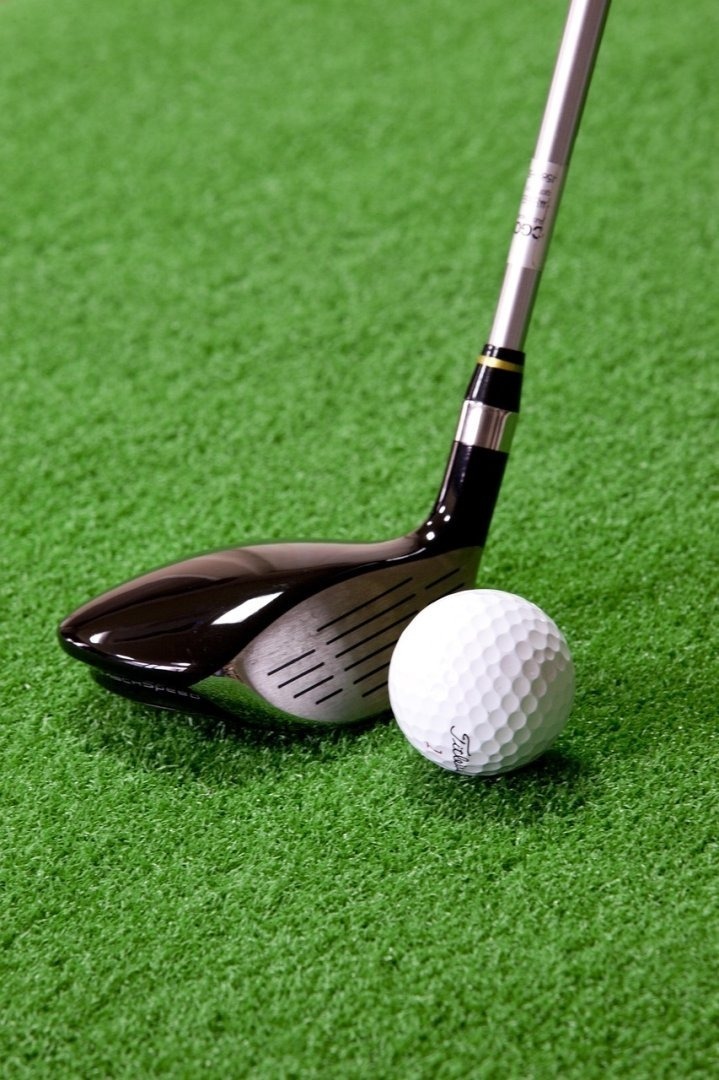
Understanding the Basics of Putters
When beginning your journey into the world of golf, selecting the right putter should be one of your primary focuses. The putter is arguably the most important club in your bag since nearly 40% of strokes in a round of golf come from putting. Understanding its components and how they affect your game is essential for every beginner.
Types of Putters
-
Blade Putters: Traditionally shaped, blade putters feature a simple design with a thin face and often favor control and precision over power. They tend to be preferred by players with a straight-back, straight-through putting stroke.
-
Mallet Putters: These putters have a larger head and often feature more weight distributed farther from the center, which can assist with stability on off-center hits. They are favored for their forgiveness and are suitable for players with a slight arc in their stroke.
-
Peripheral Weighted Putters: Combining features from both blade and mallet styles, these putters have weight distributed around the edges, increasing moment of inertia (MOI) which helps maintain the face's alignment on impact.
-
Fang Putters: These innovative putters have a more unique design, providing high MOI and stability by integrating features from both blade and mallet styles.
Key Features to Consider
Choosing your first putter involves understanding various critical aspects, including:
1. Length of the Putter
The length of the putter is crucial for achieving a comfortable stance and maintaining a consistent stroke. Standard putter lengths range from 32 to 36 inches; however, selecting the right fit can dramatically influence your comfort and alignment.
-
Measure Your Height: A simple guideline is that taller players generally require longer putters. For many beginners, a good starting point is to stand upright and have the putter shaft touch the ground while the grip rests comfortably in your hands.
-
Try Different Lengths: Most golf retailers offer a selection of putters for testing. Experiment with different lengths to find the best fit for your stroke style.
2. Grip Size
Grip size affects both comfort and control. The grip should feel natural in your hands without causing excess tension.
-
Standard vs. Oversize: Standard grips are suitable for average hand sizes, while oversize grips cater to players with larger hands or those who tend to grip too tightly.
-
Grip Materials: Grips may come in rubber, cord, or hybrid materials. Rubber grips tend to be softer and more forgiving, while corded grips provide better traction and control.
3. Face Material
Putter faces can be composed of various materials which can significantly alter feel and performance:
-
Metal Faces: Pay attention to the type of metal used; softer metals like aluminum will provide more feedback while harder metals like stainless steel may enhance durability and consistency.
-
Insert Technology: Many modern putters feature face inserts made from a composite or polymer material designed to reduce skidding and improve roll.
4. Loft Angle
The loft of a putter typically ranges from 2 to 4 degrees. Loft can influence how the ball comes off the clubface—too little loft might result in skipping across the green, while too much can lead to a loss of distance.
⛳ Bogey Golf AI For The Win!
Personalized golf trip itineraries in seconds.
Golf Trip Planner

Your Next Golf Getaway
Curated by Bogey Golf AI
- Test Your Delivery: Practicing with different lofts can help you determine what works best for your stroke type and ability.
5. Alignment Aids
Many putters come with built-in alignment aids to help you aim your putts more easily.
-
Lines or Dots: Some putters feature contrasting lines or dots to assist with alignment, helping you maintain the correct line during your setup.
-
Visual Appeal: Choose a style that visually appeals to you. A putter that looks inviting can positively impact your confidence on the greens.
Trying Out Your Options
Once you've narrowed down your choices based on the features above, it’s essential to try several putters.
1. Visit a Local Golf Shop or Pro Shop
Find a golf retailer with a putting green or simulator. This will allow you to test different putters and see how they respond to your stroke. A knowledgeable staff member can offer personalized recommendations tailored to your unique style and preferences.
2. Seek Out A Fitting Experience
Some golf courses and specialty shops offer professional putter fittings. Professional fitters can analyze your stance, stroke, and speed to recommend the optimal putter length, grip size, and style.
3. Experiment with Weight
Putters come with varying weight options, affecting how the putter feels during a stroke. Some manufacturers offer interchangeable weights to fine-tune balance and feel.
Learning the Importance of Feel
Selecting a putter also boils down to how the club feels in your hands. The ideal putter should inspire confidence and improve your performance.
⛳ Bogey Golf AI For The Win!
Personalized golf trip itineraries in seconds.
Golf Trip Planner
Your Next Golf Getaway
Curated by Bogey Golf AI
1. Spend Time Practicing
Ensure you spend considerable time practicing with your chosen putter before venturing onto the course. Developing a strong sense of feel and familiarity with your equipment can make a significant difference during an actual round.
2. Pay Attention to Distance Control
During practice sessions, take note of how well you manage distance and consistency. A putter that feels right in your hands should aid your ability to gauge the required force for a variety of putts.
Maintaining Your Putter
Once you've selected your first putter, maintaining it is essential for ensuring long-lasting performance.
1. Regular Cleaning
After every round, make sure to clean your putter head with a soft brush or cloth to remove dirt and grass buildup. This ensures a cleaner strike on the ball.
2. Check Grip Condition
Inspect grip wear regularly. If you notice slickness or loss of texture, consider replacing the grip; a fresh grip enhances control and precision.
3. Store Properly
Store your putter in a protective headcover to guard against scratches and dings. Keeping it away from extreme temperatures can also help maintain the integrity of the materials.
⛳ Bogey Golf AI For The Win!
Personalized golf trip itineraries in seconds.
Golf Trip Planner
Your Next Golf Getaway
Curated by Bogey Golf AI
Seeking Guidance
Lastly, don’t hesitate to seek advice from fellow golfers or professionals. Many seasoned players are eager to share their experiences and recommendations, which can prove invaluable in your decision-making process.
By following these guidelines and spending time understanding the various features of putters, you will be well-equipped to make an informed decision that enhances your golfing experience. Happy putting!


