Understanding the Basics of Putters
Choosing the right putter is crucial for any golfer, especially beginners. The putter is often considered the most important club in a golfer's bag, as almost 40% of shots during a typical round originate on the putting green. To make an informed choice, it's essential to understand the types of putters available, key features to consider, and tips for finding the perfect fit for your game.
Types of Putters
Blade Putters
Blade putters have a classic design characterized by a thin profile and minimal weight. These are favored for their simplicity and the feedback they provide. The low center of gravity promotes a stable stroke, ideal for players who prefer a traditional feel. Generally, blade putters allow for better control and are usually better suited for golfers with a straight-back-and-through putting stroke.
Mallet Putters
Mallet putters are bulkier and feature enlarged heads, which often come with alignment aids like lines or dots. Their design provides added forgiveness, meaning they are more tolerant of off-center strikes. Mallet putters are often recommended for beginners because they typically help stabilize the clubface and improve accuracy. They can also promote a more natural stroke for those who may struggle with consistency.
Peripheral Weighted Putters
Peripheral weighted putters combine features from both blade and mallet designs. They usually have a traditional shape but distribute weight around the perimeter of the clubhead. This design enhances forgiveness and stability on mis-hits. Many beginner golfers find these putters easy to handle, enabling a more confident stroke.
Key Features to Consider
Length
Putter length is a critical factor in achieving optimal performance. Standard putter lengths range from 32 to 36 inches. The ideal length for you will vary based on your height and posture. A simple fitting test involves standing straight and holding the putter. The grip should rest comfortably in your palms without excessive bending in your wrists. Proper length ensures better alignment and a more natural stroke.
Weight
The weight of a putter affects its feel and control. Lighter putters tend to allow for a quicker stroke, while heavier putters provide a smoother feel. Generally, beginners might prefer a putter that feels comfortable throughout the putting motion rather than focusing solely on weight specifications. Test different weights in a store or at a fitting session to see what resonates with your stroke style.
⛳ Bogey Golf AI For The Win!
Personalized golf trip itineraries in seconds.
Golf Trip Planner

Your Next Golf Getaway
Curated by Bogey Golf AI
Grip Size
A proper grip size on your putter can significantly impact your performance. Grips come in various diameters, and the right size can help control your grip pressure, leading to a smoother stroke. If your hands feel cramped, you may benefit from a larger grip. Conversely, a grip that is too tacky or broad can lead to unwanted tension and less control. Ideally, the grip should allow you to hold the putter securely without excessive squeezing.
Face Technology
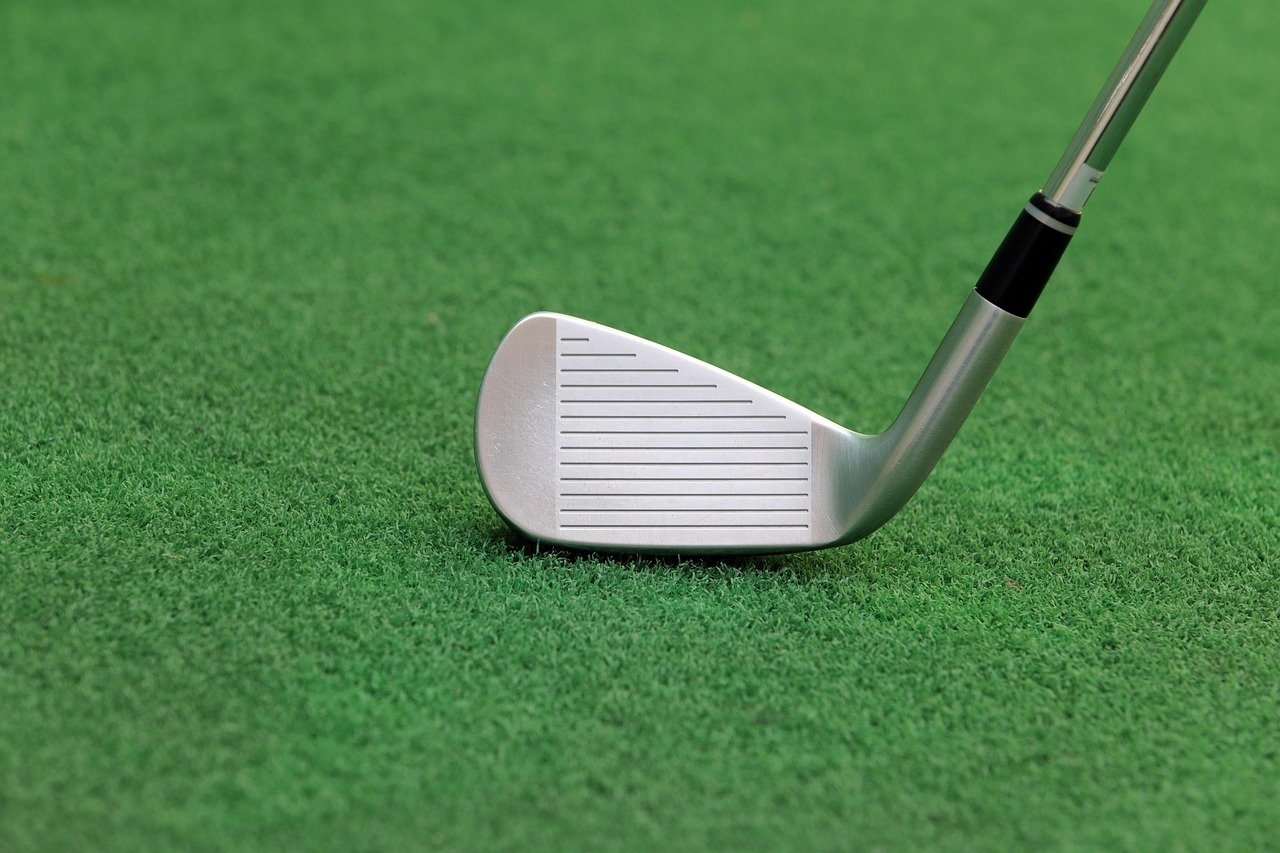
Putters feature different face technologies that affect how the ball rolls. Some putters have grooves, while others use a flat face. These technologies can enhance the roll by reducing skidding and promoting a true roll immediately after impact. Beginners should test how different face designs affect performance and alignment to find a suitable option for their putting style.
Finding the Right Putter: Tips for Beginners
Test Several Options
While many golfers may favor a specific design or brand of putter, it's crucial for beginners to test various options before making a purchase. Many golf stores and pro shops offer putter fittings and let you try multiple models on a practice green. Pay attention to how each putter feels in your hands and how it interacts with the ball.
Consider the Grip
When testing putters, don’t overlook the grip. Take note of how different grips feel as you practice your putting stroke. If possible, evaluate various grip textures, materials, and sizes to find the one that promotes comfort and confidence. Many golfers benefit from trying out putters with different grip styles, like oversized or corded options, to find what feels best.
Seek Professional Advice
Consulting a golf professional or instructor can provide valuable insights when selecting a putter. They can evaluate your putting stroke and recommend the most suitable putter model based on your unique needs. A professional fitting is beneficial for beginners, as it ensures that you find a putter that complements your skill level and is aligned with your overall game objectives.
Evaluate Alignment Aids
Beginners will find alignment aids helpful in developing consistency in their putting stroke. Many putters include lines, dots, or contrasting colors designed to facilitate proper alignment with the target line. Spend time focusing on how each putter’s alignment features affect your setup and overall confidence when making crucial putts.
⛳ Bogey Golf AI For The Win!
Personalized golf trip itineraries in seconds.
Golf Trip Planner
Your Next Golf Getaway
Curated by Bogey Golf AI
Understand Your Stroke Style
Understanding your putting stroke is a game changer. Whether you have a straight-back-and-through stroke or an arc-based technique can influence what type of putter is best suited for you. Players with a straight stroke may benefit most from a blade or a smaller mallet, while those with an arc may find a more substantial mallet beneficial for stability. Practice with a few different types to find what feels natural.
Prioritize Comfort Over Popularity
Do not fall for marketing hype or trends when choosing your putter. While some brands may be associated with professional players, it’s essential to prioritize your comfort and feel when making your decision. A putter that feels right in your hands will likely result in better performance and more enjoyable rounds.
Budget Wisely
Putting technology ranges significantly in price. While investing in a quality putter is critical, beginners don’t need to break the bank, as there are plenty of affordable, high-quality options available. Research various brands and models, compare features, and read user reviews to give you a good understanding without overspending.
Practice Regularly
Once you've found the right putter, investing time in practice is vital. Consistently working on your putting skills will help you become more familiar with your new club. Consider setting up a putting area at home or visiting your local course to dedicate time specifically to practice your short game. Improvement in putting can lead to better overall scores, and familiarity with your chosen putter will ultimately enhance your performance on the green.

Conclusion
Choosing the right putter is a highly individualized process that requires attention to detail and self-awareness. By comparing various models, considering key features like length, weight, grip, and alignment, and seeking professional advice, beginners can confidently choose a putter tailored to their unique stroke and preferences. Investing time in research and practical testing will pay off by enhancing performance on the greens.

