
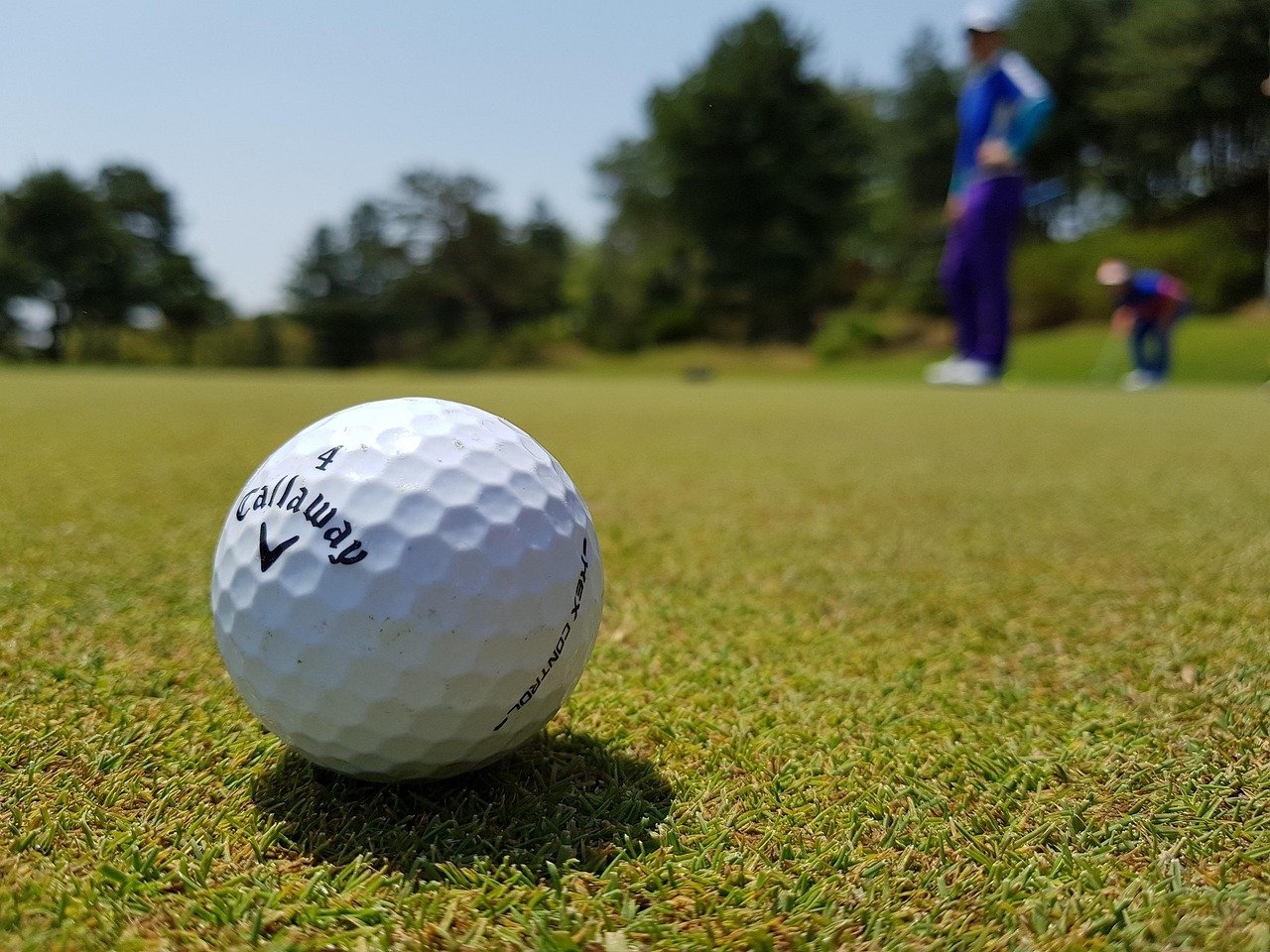
How to Find High-Quality Used Golf Clubs: Expert Tips

Assessing Club Condition and Quality
When searching for used golf clubs, visual inspection is crucial. Start by examining the clubhead for signs of wear, damage, or excessive rust. Check the grooves on irons and wedges to ensure they are clean and not overly worn, as this can significantly impact shot performance and spin control. Inspect the shaft for any dents, bends, or visible stress marks that might compromise the club's integrity.

Look closely at the grip condition. While grips can be replaced relatively inexpensively, excessive wear or hardening can indicate prolonged use and potential underlying issues with the club. Run your hands along the shaft and clubhead, feeling for any irregularities or structural weaknesses that might not be immediately visible.
Research and Price Comparison
⛳ Bogey Golf AI For The Win!
Personalized golf trip itineraries in seconds.
Golf Trip Planner

Your Next Golf Getaway
Curated by Bogey Golf AI
Utilize multiple sources when researching used golf clubs. Websites like Global Golf, 2nd Swing, and Callaway Pre-Owned offer certified pre-owned clubs with detailed condition ratings and warranties. Compare prices across different platforms to ensure you're getting the best value. Create a spreadsheet tracking prices, club specifications, and condition reports from various sellers.
Online marketplaces like eBay and Facebook Marketplace can offer excellent deals, but require more careful vetting. Check seller ratings, return policies, and request detailed photographs of the clubs from multiple angles. Professional resellers often provide more comprehensive descriptions and guarantees compared to individual sellers.
Brand and Model Considerations
Focus on reputable golf club manufacturers known for quality and durability. Brands like Titleist, Callaway, TaylorMade, and Ping consistently produce high-performance clubs that maintain value and playability. Research the specific model's original release date and technological features to understand its potential performance characteristics.
Consider the club's age and technological advancements. While older clubs can be excellent, significant technological improvements in the past five to ten years might make newer models more suitable for your playing style. Look for clubs that match your skill level, swing characteristics, and performance goals.
Club Fitting and Customization Potential
⛳ Bogey Golf AI For The Win!
Personalized golf trip itineraries in seconds.
Golf Trip Planner
Your Next Golf Getaway
Curated by Bogey Golf AI
Used clubs offer an opportunity to obtain premium equipment at a fraction of the original cost. However, ensure the clubs match your physical specifications. Standard length, lie angle, and shaft flex are critical factors in club performance. If possible, get the used clubs professionally measured and adjusted to fit your specific swing mechanics.
Some used clubs may require minimal modifications to optimize performance. Budget for potential shaft replacements, grip updates, or minor adjustments. These investments can transform a good used club into an excellent performing instrument tailored to your game.
Verification and Authentication
When purchasing used clubs, request detailed documentation about the club's history. Professional resellers often provide authenticity certificates and comprehensive condition reports. For high-end or collectible clubs, consider having them professionally authenticated to ensure you're getting genuine equipment.
Check the serial number against manufacturer records to confirm the club's origin and verify it hasn't been reported lost or stolen. Some manufacturers offer online verification services that can provide additional peace of mind during your purchase.
Physical Testing and Performance Evaluation
⛳ Bogey Golf AI For The Win!
Personalized golf trip itineraries in seconds.
Golf Trip Planner
Your Next Golf Getaway
Curated by Bogey Golf AI
Whenever possible, physically test the used clubs before finalizing your purchase. Many golf specialty stores and online retailers offer trial periods or return policies that allow you to assess the clubs' performance. If in-person testing isn't possible, request detailed video demonstrations or swing analysis from the seller.
Pay attention to the club's balance, weight distribution, and how it feels during practice swings. Modern launch monitor technology can provide objective data about club performance, helping you make an informed decision beyond visual assessment.
Price Negotiation Strategies
Develop effective negotiation skills when purchasing used golf clubs. Research market values, understand current pricing trends, and be prepared to negotiate respectfully. Bundle purchases can often lead to better overall pricing, especially when buying multiple clubs from the same seller.
Consider seasonal fluctuations in golf equipment pricing. Prices typically drop during winter months when demand is lower, presenting opportunities for significant savings on high-quality used clubs.
Maintenance and Long-Term Care
⛳ Bogey Golf AI For The Win!
Personalized golf trip itineraries in seconds.
Golf Trip Planner
Your Next Golf Getaway
Curated by Bogey Golf AI
Once you've acquired used golf clubs, invest in proper maintenance to preserve their condition and performance. Regular cleaning, appropriate storage, and periodic professional inspections can extend the clubs' lifespan and maintain their value.
Use high-quality headcovers, store clubs in temperature-controlled environments, and avoid extreme temperature fluctuations. Invest in quality cleaning tools and develop a consistent maintenance routine to protect your investment.
Warranty and Return Policies
Carefully review warranty and return policies when purchasing used golf clubs. Reputable sellers often provide limited warranties or return windows that protect your investment. Understand the specific terms, including any conditions or limitations on returns and exchanges.
Some professional resellers offer more comprehensive warranties on certified pre-owned clubs, providing additional security and confidence in your purchase.
Technological Compatibility
⛳ Bogey Golf AI For The Win!
Personalized golf trip itineraries in seconds.
Golf Trip Planner
Your Next Golf Getaway
Curated by Bogey Golf AI
Consider the technological compatibility of used clubs with modern golf accessories and training tools. Ensure the clubs can integrate with launch monitors, swing analysis software, and other performance-tracking technologies that can help improve your game.

Look for clubs with adjustable features or those compatible with modern golf technology, maximizing their long-term utility and performance potential.
