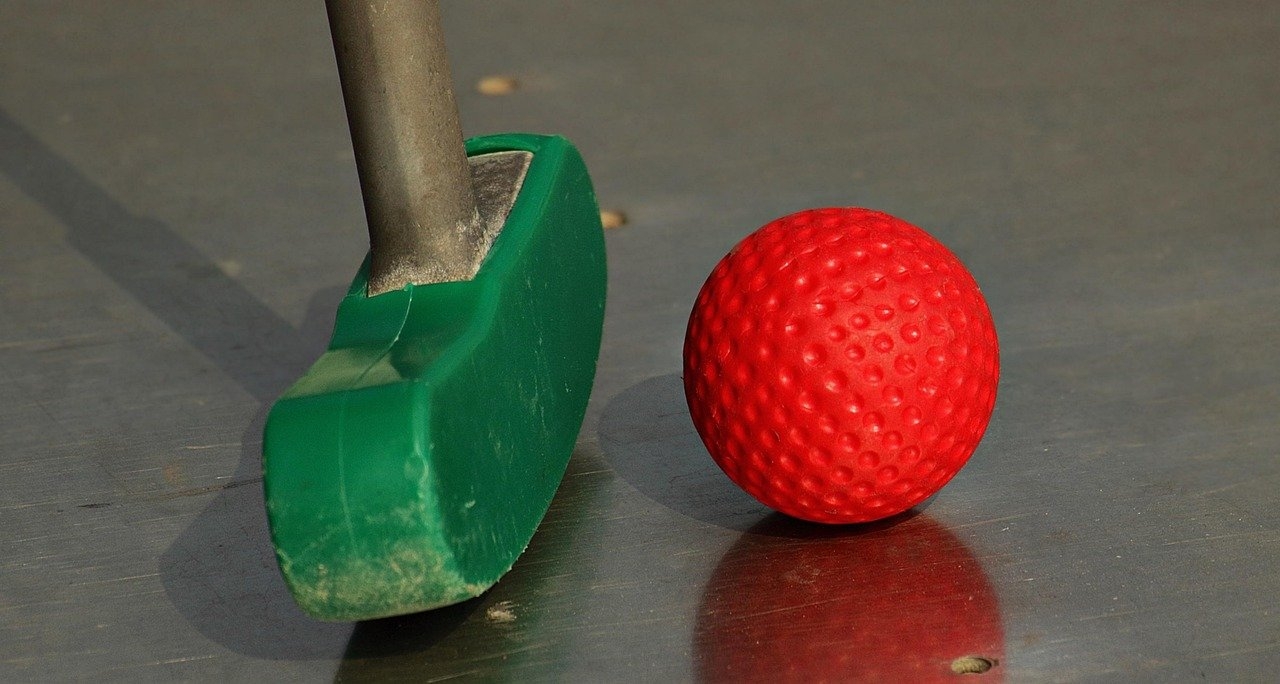
Stunning Low Compression Golf Balls for Your Best Game
Understanding Low Compression Golf Balls
Low compression golf balls are tailor-made for golfers seeking enhanced distance and control, especially those with swing speeds under 85 mph. These balls have a lower compression rating, allowing them to deform more upon impact with the clubface. This deformation results in a higher launch angle, increased ball speed, and ultimately, longer drives. Additionally, low compression balls offer better feel and improved control around the greens—making them the ideal choice for casual and senior golfers alike.
Key Features to Consider When Choosing Low Compression Golf Balls
Compression Rating
Compression is quantified on a scale ranging from 0 to 200. Low compression golf balls typically fall between 70 to 80, making them softer and more responsive—perfect for golfers with slower swing speeds. A lower compression rating means that the ball compresses more easily, translating to better energy transfer at impact.
Core Design
Many low compression models feature multi-layer constructions that fine-tune distance, spin, and feel. The material of the inner core can vary, significantly influencing the ball's overall performance and responsiveness.
Cover Material
The outer cover's material significantly impacts ball performance. Urethane covers usually offer a softer feel and superior spin control, while ionomer covers tend to be more durable and cost-effective. Your choice here could sway your playing experience dramatically.
Dimple Pattern
The dimple design is crucial for a ball's aerodynamics. A well-structured dimple pattern boosts lift and reduces drag, allowing golfers to achieve greater distances even when using lower compression balls.
Durability
Despite being designed for feel and distance, durability shouldn't be overlooked. Opt for options built to withstand regular play, ensuring longevity without compromising performance.
⛳ Bogey Golf AI For The Win!
Personalized golf trip itineraries in seconds.
Golf Trip Planner
Your Next Golf Getaway
Curated by Bogey Golf AI
The Best Low Compression Golf Balls
1. Callaway Supersoft
The Callaway Supersoft stands out for golfers seeking a symbiotic balance of distance and feel. With a remarkable compression rating of just 38, it is among the softest options available. The ultra-low compression core enhances ball speed, while the two-piece structure guarantees impressive distance. Its Trionomer cover not only delivers a soft feel but also ensures durability across varied playing scenarios. The innovative dimple design elevates aerodynamics for improved lift and distance.
2. Srixon Soft Feel
The Srixon Soft Feel golf ball is engineered for slower swing speeds and scores impressively with a compression rating of 60. It provides exceptional softness without sacrificing distance. The core's Energetic Gradient Growth technology maintains speed while minimizing side spin, which significantly enhances shooting accuracy. The durable ionomer cover withstands regular play, and the unique 338 dimple pattern maximizes lift, thereby achieving optimal distance while also facilitating gentle touch around the greens.
3. TaylorMade Soft Response
TaylorMade's Soft Response golf ball, featuring a compression rating of 42, is specifically designed for feel and performance. Its Low-Compression Core, enveloped by a soft cover, enhances both spin and feel. Additionally, the outer layer boosts ball speed while reducing drag, allowing for impressive distance off the tee. The 342 aerodynamic dimples further minimize air resistance, making this ball a fantastic choice for golfers seeking a blend of distance and control.
4. Wilson Duo Soft+
One of the softest balls on the market, the Wilson Duo Soft+ boasts a low compression rating of 40. Designed for moderate swing speeds, it is an excellent choice for golfers looking to amplify feel and control. With a large core to facilitate maximum energy transfer at impact, this two-piece ball promotes increased distance. Its responsive cover enhances greenside control for softer landings, while the seamless 338 dimples improve aerodynamic efficiency and trajectory.
5. Bridgestone e12 Soft
The Bridgestone e12 Soft ball is perfect for golfers aiming for a blend of distance and feel, sporting a compression rating of 50. Its two-piece construction incorporates a soft core that permits higher launch angles while enhancing distance. This model features an advanced dimple design for reduced wind resistance and optimized lift, along with a cover that ensures a soft feel during greenside play.
6. Kirkland Signature Golf Ball
With an impressive performance-to-price ratio, the Kirkland Signature ball’s estimated compression rating is around 45. Its three-piece construction includes a soft urethane cover that maximizes spin control while maintaining significant distance. The unique dimple design promotes aerodynamic efficiency, facilitating a superior flight path.
⛳ Bogey Golf AI For The Win!
Personalized golf trip itineraries in seconds.
Golf Trip Planner
Your Next Golf Getaway
Curated by Bogey Golf AI
7. Titleist TruFeel
Recognized for its premium offerings, Titleist's TruFeel is its softest option, featuring a compression rating of about 70. This ball perfectly balances traditional feel and performance, ensuring long-distance capabilities paired with a soft touch. Its innovative core technology enhances distance while the durable cover optimizes spin control. The 376 dimples further enhance flight performance and stability, making it a suitable choice for all playing conditions.
Tips for Choosing Low Compression Golf Balls
Know Your Swing Speed: Understanding your swing speed is critical. If you consistently swing under 85 mph, a low compression ball can greatly enhance your performance.
Test Different Balls: Each golfer has distinct preferences. Invest time testing various low compression options to discover which one meets your feel, distance, and control preferences.
Consider Course Conditions: Certain low compression balls may perform better based on your usual course conditions. If you play in wet environments, for instance, seek a ball with a cover that provides enhanced traction.
Durability Matters: If you frequently lose balls, prioritize a durable option that can endure multiple rounds without sacrificing performance.
Consult with a Professional: Unsure which ball to choose? Consult a golf professional or visit a fitting center where personalized recommendations based on your playing style will be provided.
⛳ Bogey Golf AI For The Win!
Personalized golf trip itineraries in seconds.
Golf Trip Planner
Your Next Golf Getaway
Curated by Bogey Golf AI
Match with Your Clubs: It’s crucial that the ball you select complements your clubs' specifications. Using a ball that's ill-suited can result in suboptimal performance.
Selecting the perfect low compression golf ball can revolutionize your game, particularly if your swing speed is slower. Explore different options to find the best fit for your playing style, and enjoy noticeable improvements on the course!


