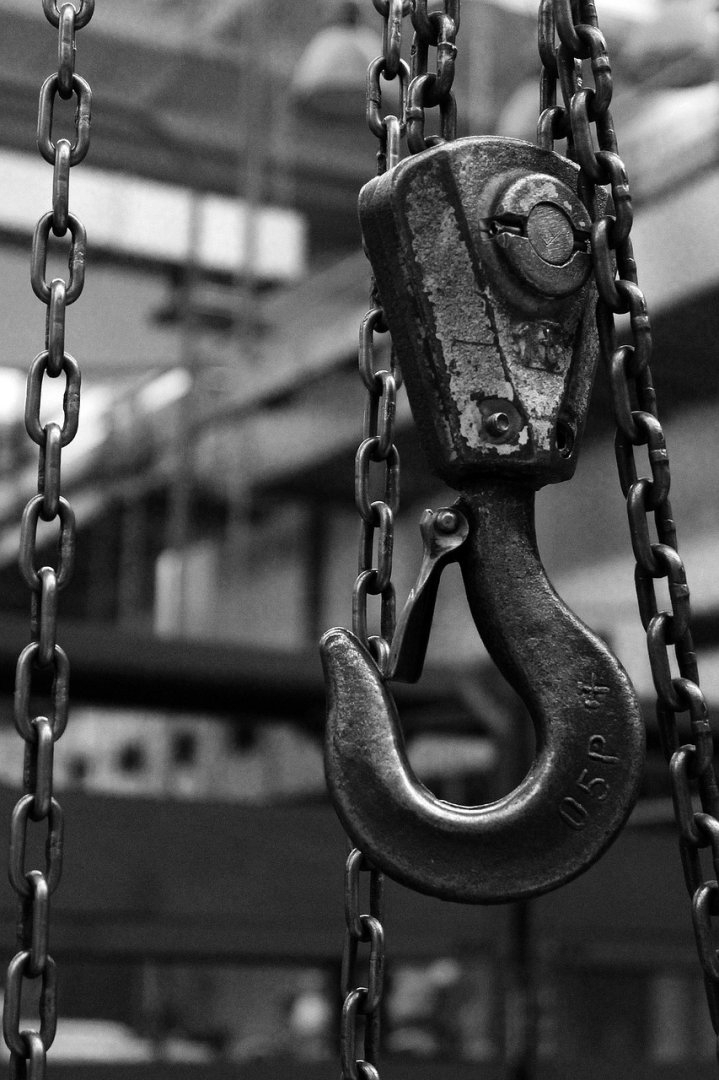
5 Easy Techniques to Repair a Hook at Home
Hooks are essential components in many aspects of daily life, from home organization to crafting projects. Whether it’s a wall hook that’s become loose or a worn-out fishing hook, repairing them can save money and extend their usability. Here are five easy techniques to repair a hook at home that anyone can execute with minimal tools.
1. Reinforce a Loose Wall Hook
Materials Needed:
- Screwdriver
- Wall anchors (if necessary)
- Wood glue (for wooden hooks)
- Level (optional)
Steps:
-
Assess the Damage: Check if the wall hook is loose due to missing screws or wall anchor failure. Remove the screw and pull the hook away from the wall to inspect the anchoring system.
-
Tighten the Screws: Sometimes, a simple screw tightening can remedy the problem. Use a screwdriver to secure the screws firmly into the wall socket.
-
Install Wall Anchors: If the existing anchors are broken or stripped, remove them and install new wall anchors suitable for the wall type (drywall, plaster, etc.). Drill a hole for the anchor, insert it, and then screw the hook back in place.
-
Add Wood Glue (Optional): For wooden hooks, applying a bead of wood glue at the anchor points can provide extra strength. Hold the hook in place until the glue sets.
-
Check Level: Use a level to ensure the hook is straight. Adjust if necessary before the glue or anchors dry completely.
2. Rehab a Fishing Hook
Materials Needed:
- Pliers
- File (metal or diamond)
- Sharpener (optional)
- Replacement hook (if necessary)
Steps:
-
Examine the Hook: Look for bends or dull points on the fishing hook. A bent hook can often be straightened with pliers, while a dull hook can be sharpened.
-
Straighten with Pliers: If the hook is bent, use a pair of pliers to carefully bend it back into shape. Be gentle to avoid snapping the metal.
-
Sharpen the Hook: If the hook has dulled over time, you can bring it back to life using a hook sharpener or a file. Stroke the file back and forth on the point at a 45-degree angle, being careful to retain the original shape.
-
Replace if Necessary: If straightening doesn’t work, replace the hook with a new one. Simply cut off the old hook, tie a new one to the line using the same knot.
-
Test Again: Always test the hook’s sharpness by lightly scratching it against your fingernail. A properly sharpened hook will catch your nail and not slide off.
3. Repair a Broken Shower Hook
Materials Needed:
⛳ Bogey Golf AI For The Win!
Personalized golf trip itineraries in seconds.
Golf Trip Planner

Your Next Golf Getaway
Curated by Bogey Golf AI
- Super glue or epoxy
- Sandpaper
- Clamps or rubber bands
Steps:
-
Clean the Broken Parts: Use sandpaper to smooth out the edges of the broken hook. This ensures a better bonding surface for your adhesive.
-
Apply Adhesive: Using super glue or epoxy, spread a thin, even layer onto the broken edges of the hook.
-
Join Parts Together: Press the two pieces firmly together, ensuring they align as closely as possible. Secure them in place using clamps or wrap them with rubber bands.
-
Set and Cure: Allow the adhesive to cure as per the manufacturer’s instructions. Avoid using the shower hook until the bond is fully set.
-
Test Strength: Once cured, gently test the shower hook's strength by hanging light items to ensure the integrity of the repair before full use.
4. Fix a Damaged Garment Hook
Materials Needed:
- Needle and thread
- Fabric glue (optional)
- Scissors
- Replacement hook (if needed)
Steps:
-
Assess the Hook Damage: Examine the garment hook, whether it’s bent or the fabric it’s attached to is torn.
-
Straighten or Replace: If the fabric loop is torn, you may need to replace it. If the hook itself is bent, gently reshape it using a pair of pliers.
-
Sew or Glue: If the fabric is torn, use a needle and thread to sew it back in place. For small repairs, you may also use fabric glue.
-
Reattach the Hook: If it was removed entirely, resew or reglu the hook back onto the garment, ensuring it is secure and functional.
-
Trim Excess Thread: After sewing, trim any excess thread for a neat finish.
5. Restore a Rusty Metal Hook
Materials Needed:
- Steel wool or sandpaper
- Rust remover (like vinegar or commercial rust cleaner)
- Cloth
- Lubricant (e.g., WD-40 or oil)
Steps:
-
Scrub Off Rust: Use steel wool or sandpaper to scrub away the rust from the metal hook. Ensure you remove as much rust as possible for better longevity.
-
Apply Rust Remover: If using a commercial rust remover, follow the instructions for application. You may also soak the hook in vinegar for a few hours.
-
Clean Thoroughly: After the rust is removed, wash the hook with soap and water to eliminate any residue from the rust remover or vinegar.
-
Dry Completely: Thoroughly dry the hook with a cloth to prevent new rust from forming.
-
Apply Lubricant: Lastly, apply a light coat of WD-40 or oil to protect against moisture and prevent future rust.
These five techniques can significantly extend the life of various types of hooks in your home. By following these methods, you’ll not only achieve functional solutions but also save money and resources by performing your repairs efficiently. Whether it's a wall hook, fishing hook, or garment hook, you can easily manage these fixes with basic materials and straightforward steps.
⛳ Bogey Golf AI For The Win!
Personalized golf trip itineraries in seconds.
Golf Trip Planner
Your Next Golf Getaway
Curated by Bogey Golf AI


